When it comes to teaching math, having the right resources can make all the difference. Math worksheets and answer keys are essential tools that not only help students practice their skills but also allow teachers to assess progress easily. If you’re looking for practical ways to implement these resources in your classroom or homeschool, you’re in the right place.
The Importance of Math Worksheets
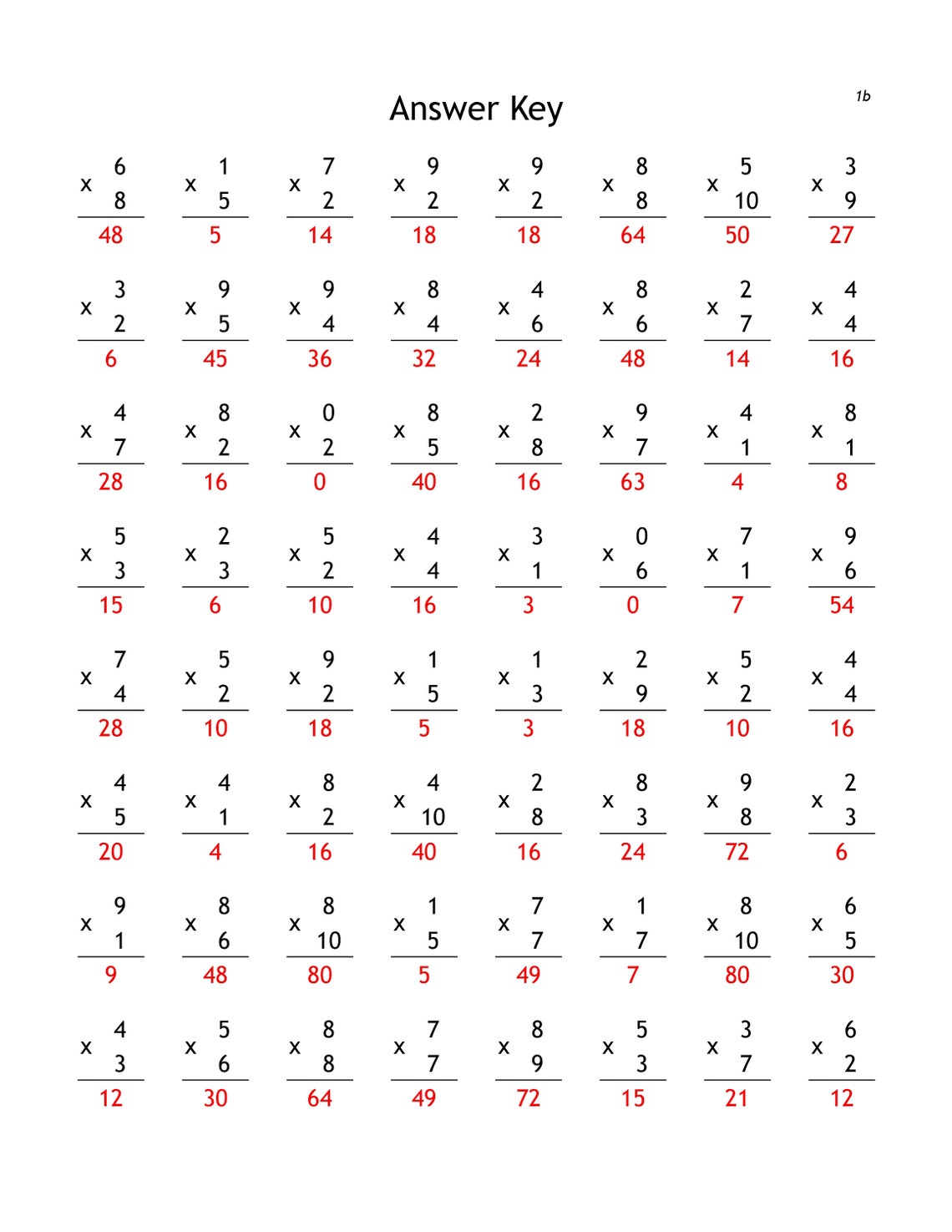
Math worksheets are versatile resources that cater to various learning levels and styles. They can be used for individual practice, group work, or homework assignments. For example, consider a classroom of third graders learning multiplication. You can provide them with worksheets that feature a range of multiplication problems, from single-digit to double-digit numbers. This variety helps cater to different skill levels within the same classroom.
Using math worksheets also encourages independent learning. When students work through problems on their own, they develop critical thinking and problem-solving skills. Additionally, worksheets can be easily modified to suit the needs of your students, whether that means adjusting the difficulty level or focusing on specific concepts.
How to Use Answer Keys Effectively
Having answer keys is just as crucial as the worksheets themselves. They serve several purposes, especially when you have a busy classroom or homeschool environment. For teachers, answer keys allow for quick grading and feedback. This means you can identify areas where students may be struggling and adjust your teaching accordingly.
When using answer keys, consider how you can integrate them into your teaching. For instance, after students complete a worksheet, you can go through the answers as a class. This not only provides instant feedback but also encourages discussion about the problems. Students can ask questions, and you can clarify misunderstandings on the spot.
Grading Made Easy
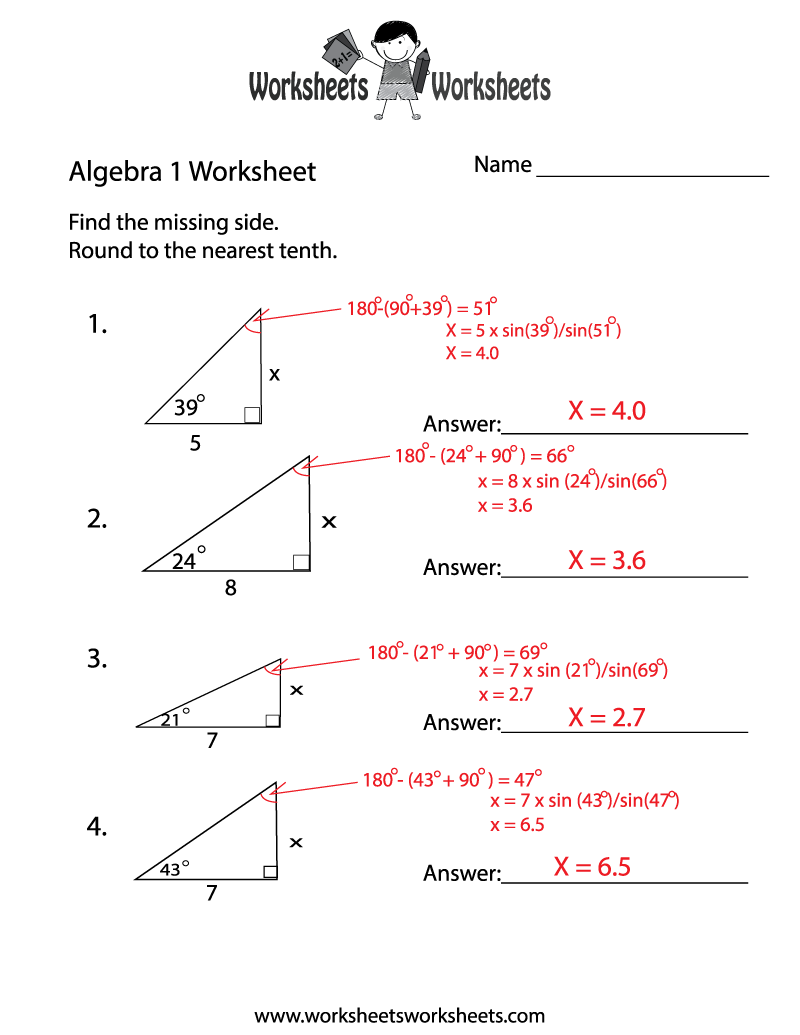
Grading math worksheets can be a time-consuming task, especially if you have a large class. Utilizing answer keys can significantly streamline this process. You might choose to grade the worksheets in class, going over the answers together. This not only saves time but also reinforces learning.
If you prefer to grade at home, keep an organized binder or digital file of the answer keys. You can also use a color-coding system to mark common errors, which can be helpful for future lesson planning.
Creating Your Own Math Worksheets
While there are many pre-made math worksheets available, creating your own can provide tailored practice for your students. This allows you to focus on specific skills they need to work on. For instance, if your class is struggling with fractions, you can design worksheets that emphasize this area, incorporating real-world scenarios to make it more engaging.
When creating worksheets, keep in mind the following tips:
- Variety: Include different types of problems, such as word problems, multiple-choice questions, and fill-in-the-blank exercises.
- Clarity: Ensure that instructions are straightforward and that the layout is easy to follow.
- Visual Aids: Use charts or images when appropriate to help students better understand concepts.
Resources for Downloadable Math Worksheets
If you’re short on time or looking for inspiration, many websites offer downloadable math worksheets and answer keys. These resources can save you hours of preparation. Look for sites that categorize worksheets by grade level and topic, making it easy to find exactly what you need.
When selecting worksheets, consider the following factors:
- Grade Level: Ensure the worksheets are appropriate for your students’ ages and skill levels.
- Format: PDF formats are often best for printing as they maintain formatting across different devices.
- Answer Keys: Always choose resources that include answer keys, as they simplify grading and provide a quick reference for students.
Maximizing the Use of Math Worksheets in the Classroom
To get the most out of math worksheets, think about how they fit into your overall lesson plan. Here are some practical suggestions:
- Warm-Up Activities: Use worksheets as a warm-up at the beginning of class. This helps students transition into math mode and reinforces prior learning.
- Group Work: Pair students up and have them complete worksheets together. This encourages collaboration and allows them to learn from one another.
- Homework Assignments: Assign worksheets as homework to reinforce what students learned in class. Ensure that the difficulty level is appropriate for their skill set.
Addressing Common Challenges
While math worksheets and answer keys are helpful, they can also present challenges. Some students may find worksheets monotonous, leading to disengagement. To combat this, try to incorporate a mix of activities in your lessons. For example, you could alternate between worksheets, hands-on activities, and games that reinforce the same concepts.
Another challenge can be differentiated instruction. Not all students learn at the same pace, so it’s important to provide varying levels of difficulty in your worksheets. Consider creating tiered worksheets that offer more challenging problems for advanced students while providing simpler tasks for those who need extra support.
Incorporating math worksheets and answer keys into your teaching strategy can enhance learning experiences for your students. By using these resources effectively, you can create a well-rounded math curriculum that addresses various learning styles and needs. Whether you create your own worksheets or utilize downloadable resources, the goal remains the same: to foster a deeper understanding of math concepts while making learning enjoyable.
Consider printing some worksheets on cardstock for durability, especially if they’ll be used multiple times. And remember to keep answer keys handy to facilitate grading and discussions. The right resources can empower both teachers and students to achieve math success.
