In a bustling classroom filled with eager learners, a teacher distributes colorful worksheets as students settle down to focus on their math skills. These key stage two maths worksheets are designed to engage students while reinforcing essential mathematical concepts. For teachers and parents alike, finding the right resources can make all the difference in a child’s understanding and enjoyment of math. This guide will explore the best practices for utilizing these worksheets effectively in both classroom and home settings.
Understanding Key Stage Two Maths Worksheets
Key stage two (KS2) refers to the educational stage for children aged 7 to 11 in England, typically covering Years 3 to 6. At this stage, students delve deeper into various mathematical concepts, including addition, subtraction, multiplication, division, fractions, and basic geometry. Key stage two maths worksheets are tailored to align with the National Curriculum, providing structured practice that helps solidify these foundational skills.
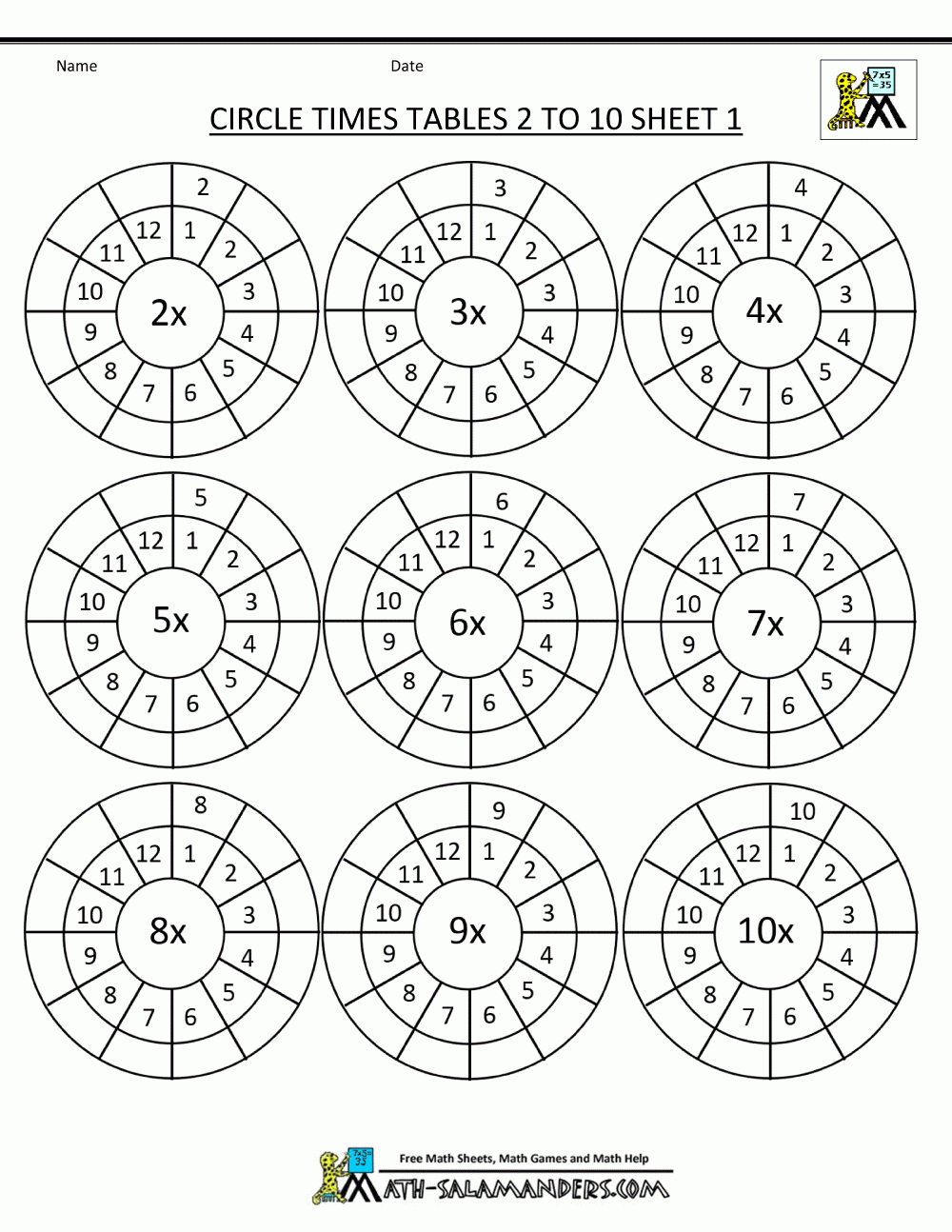
When selecting worksheets, it’s essential to consider the specific skills being taught. For instance, worksheets focusing on multiplication tables can aid students in mastering their times tables, while those emphasizing word problems can enhance critical thinking and comprehension. This targeted practice can be invaluable in a student’s mathematical development.
Types of Key Stage Two Maths Worksheets
There is a wide variety of key stage two maths worksheets available, each designed to target different skills and learning styles. Here are some common types:
1. Arithmetic Worksheets
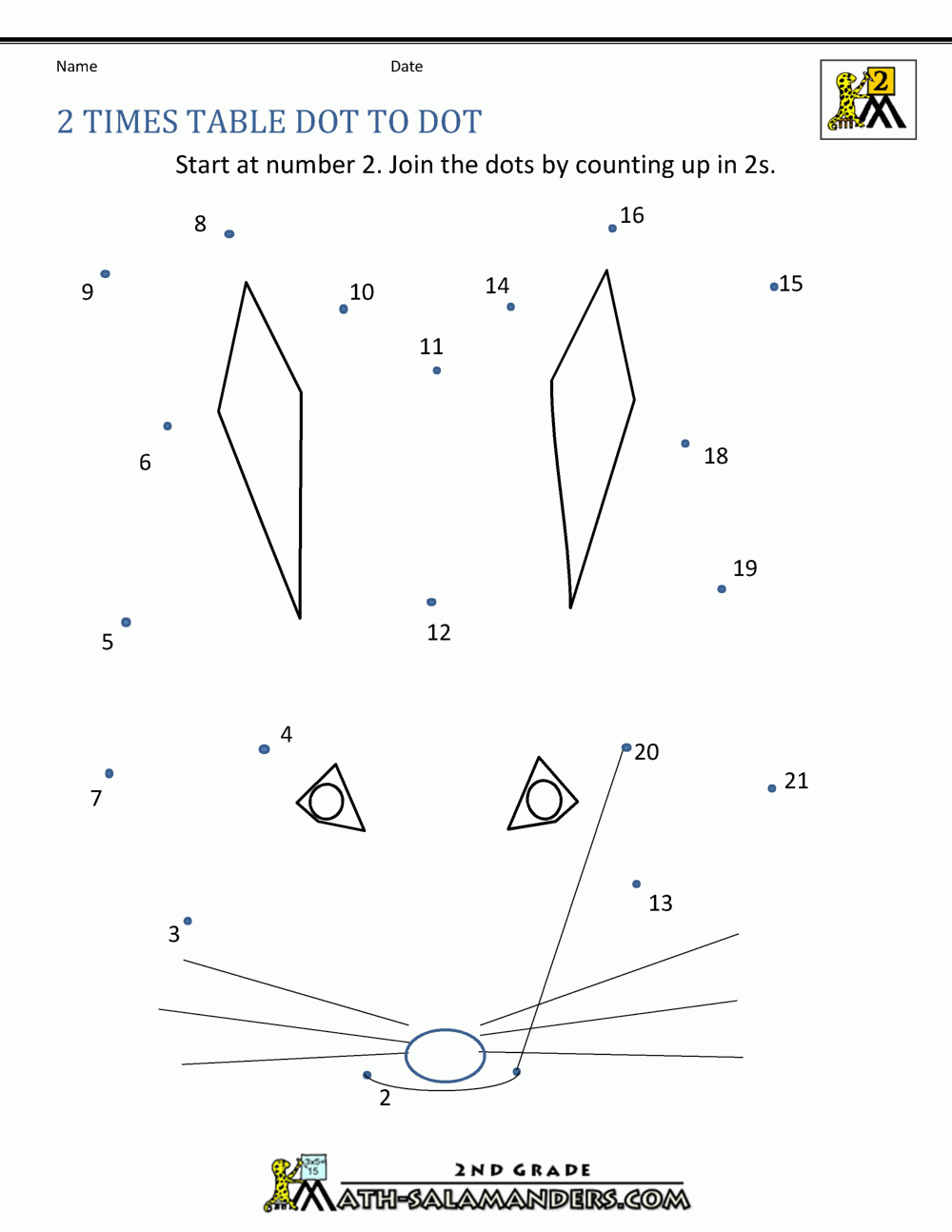
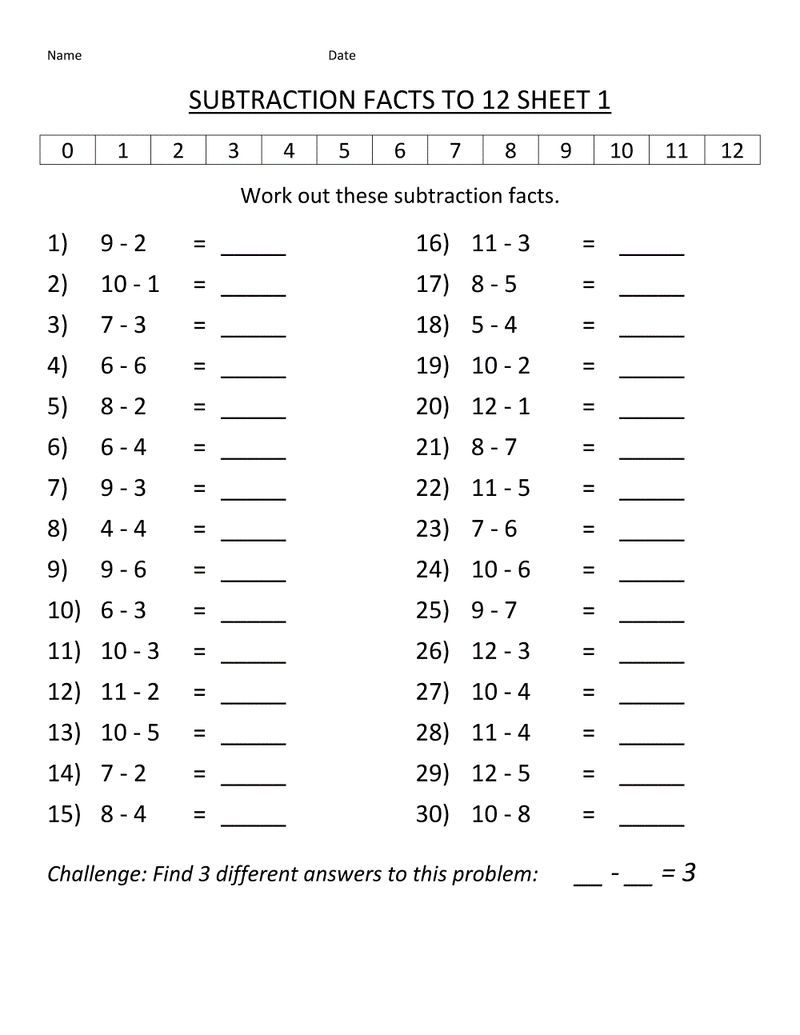
Arithmetic worksheets focus on basic operations: addition, subtraction, multiplication, and division. These worksheets often include problems of varying difficulty levels, allowing students to progress at their own pace. For example, a worksheet may start with single-digit addition and gradually introduce multi-digit problems as students build confidence.
2. Word Problems
Word problems help students apply their mathematical knowledge to real-life situations. These worksheets encourage logical reasoning and comprehension skills. A word problem worksheet might present a scenario, such as planning a party with a budget, prompting students to calculate costs effectively.
3. Fractions and Decimals
Worksheets that focus on fractions and decimals introduce concepts like equivalency, addition, and subtraction. These resources often include visual aids, such as pie charts or number lines, to help students grasp the concepts better. Engaging activities, like coloring fractions of shapes, can also enhance understanding.
4. Geometry Worksheets
Geometry worksheets explore shapes, angles, and spatial reasoning. Activities might include identifying shapes, measuring angles, or calculating the perimeter and area. These worksheets can incorporate hands-on activities, such as using rulers or protractors, to make learning interactive.
5. Assessment Sheets
Assessment sheets provide a means to evaluate a student’s understanding of the material. These worksheets often include a mix of problem types and can serve as practice tests. They are particularly useful for preparing students for end-of-term assessments or standardized tests.
Tips for Using Key Stage Two Maths Worksheets Effectively
To maximize the benefits of key stage two maths worksheets, consider the following strategies:
Set Clear Objectives
Before distributing worksheets, define what skills or concepts you want students to focus on. Clearly communicate these objectives to the students, helping them understand the purpose of the activity. For instance, if the goal is to improve multiplication skills, make that clear so students know what to aim for.
Provide Guidance
While worksheets are designed for independent practice, some initial guidance can help students feel more confident. Spend a few minutes reviewing the worksheet together, explaining any new concepts or problem types. This approach can reduce frustration and set students up for success.
Encourage Collaboration
In both classrooms and homeschooling environments, collaborative learning can be beneficial. Pair students up to work on worksheets together, allowing them to discuss their thought processes and strategies. This interaction can deepen understanding and encourage peer learning.
Incorporate Technology
Consider integrating technology into your worksheet activities. Many key stage two maths worksheets are available in digital formats, allowing for interactive learning experiences. Use educational software or apps that complement the worksheets, providing immediate feedback and additional practice.
Monitor Progress
Regularly check in on students’ progress with the worksheets. This can be done through informal assessments, discussions, or by reviewing completed worksheets. Providing feedback on their work can help identify areas where students may need additional support or practice.
Where to Find Quality Key Stage Two Maths Worksheets
Finding high-quality key stage two maths worksheets is essential for effective learning. Here are some reliable sources:
- Educational Websites: Many educational websites offer a variety of free and paid worksheets tailored for KS2 students. Websites often provide worksheets that align with the National Curriculum, ensuring that they meet educational standards.
- Printable Resource Sites: Websites dedicated to printable resources often have extensive collections of maths worksheets. Look for those that allow easy downloads and printing options. Ensure the worksheets are well-designed, with clear instructions and engaging visuals.
- Teacher Resource Packs: Many publishers offer comprehensive resource packs for teachers, which include a range of worksheets, lesson plans, and assessment materials. These can be particularly useful for educators looking for structured materials.
- Local Educational Stores: Physical stores specializing in educational materials may have a selection of worksheets and workbooks that can be purchased. This option allows for immediate access without the need for printing.
