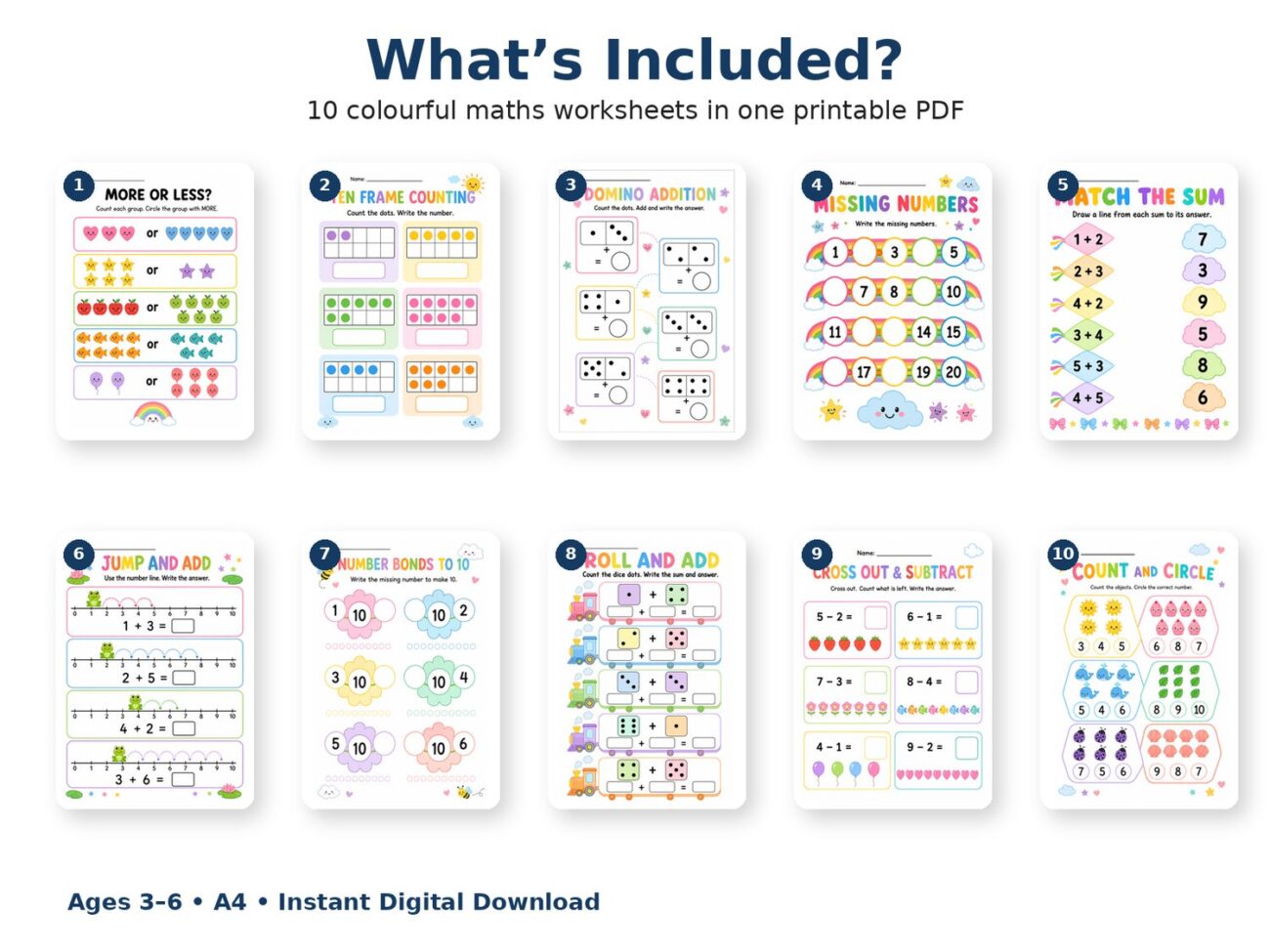
Creating effective math worksheets for all ages can be a useful option in promoting mathematical understanding and confidence among students. These worksheets are not just about filling in blanks; they provide a structured way for learners to practice and master essential skills at their own pace. In this article, we’ll explore different types of math worksheets, their layouts, and practical tips for getting the most out of them in various educational settings.
Types of Math Worksheets for Different Age Groups
When it comes to math worksheets for all ages, it’s crucial to recognize that the needs and skills of students vary widely. Here’s a breakdown of the types of worksheets you might consider for different age groups:
Preschool and Kindergarten
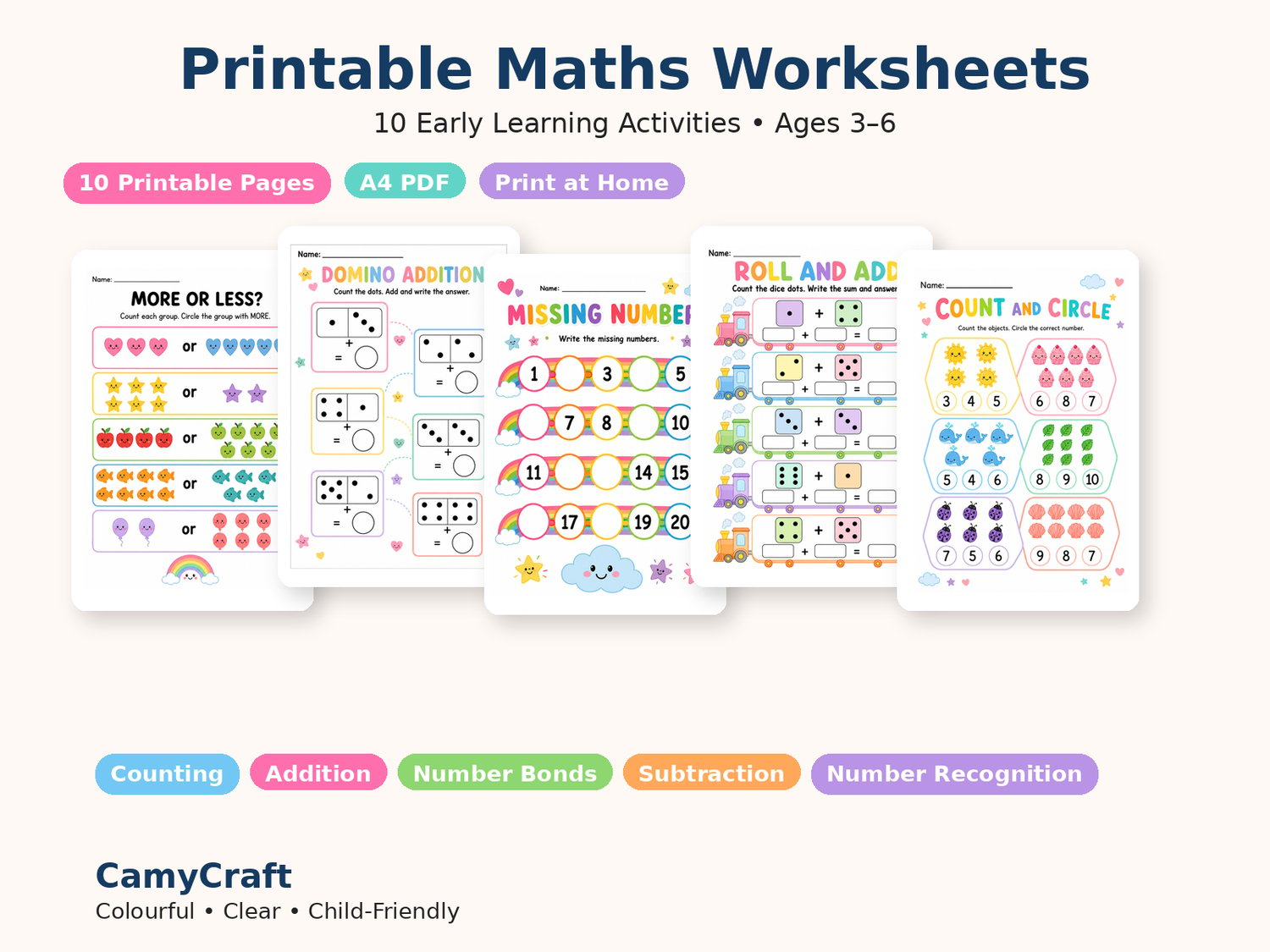
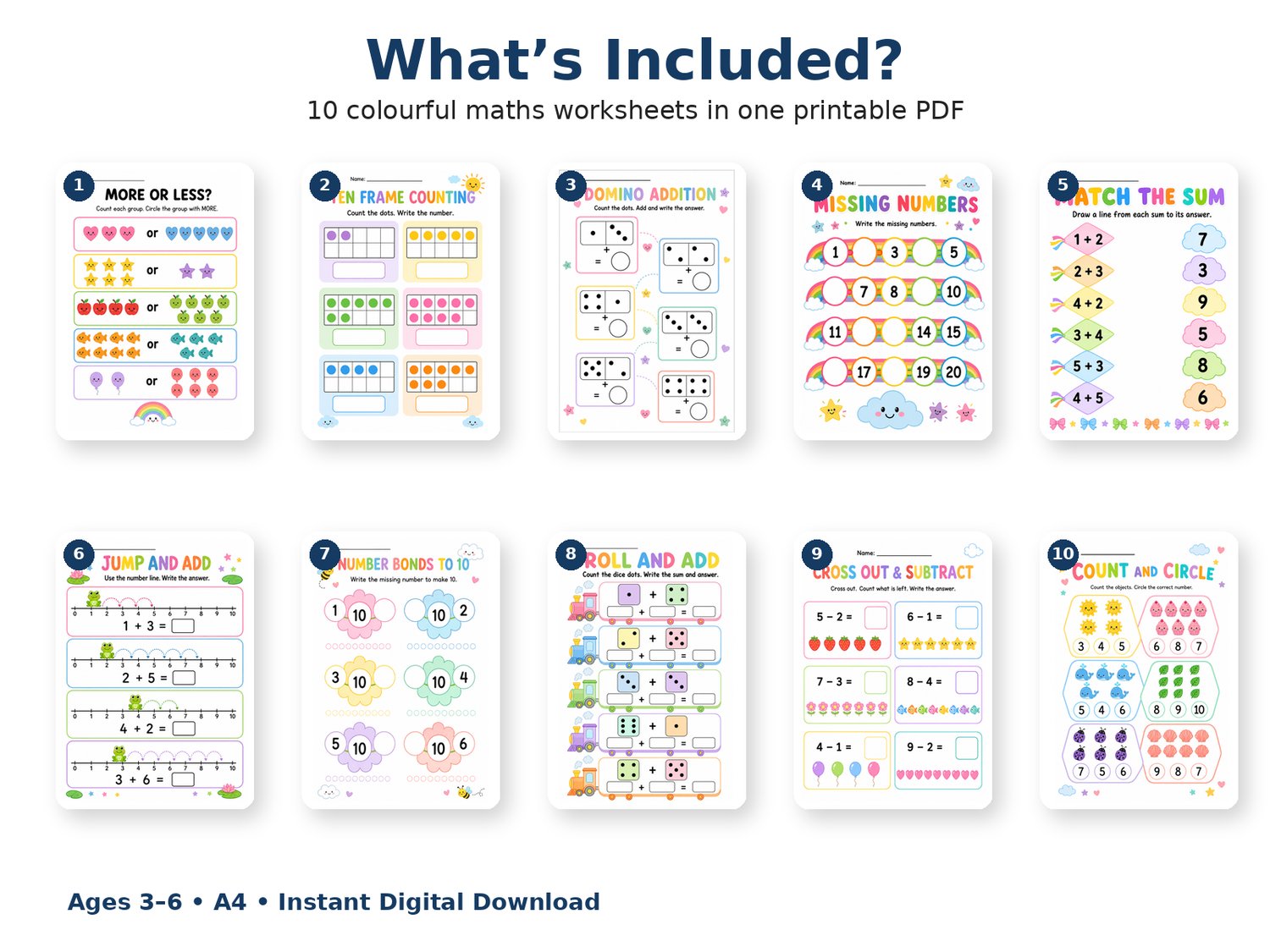
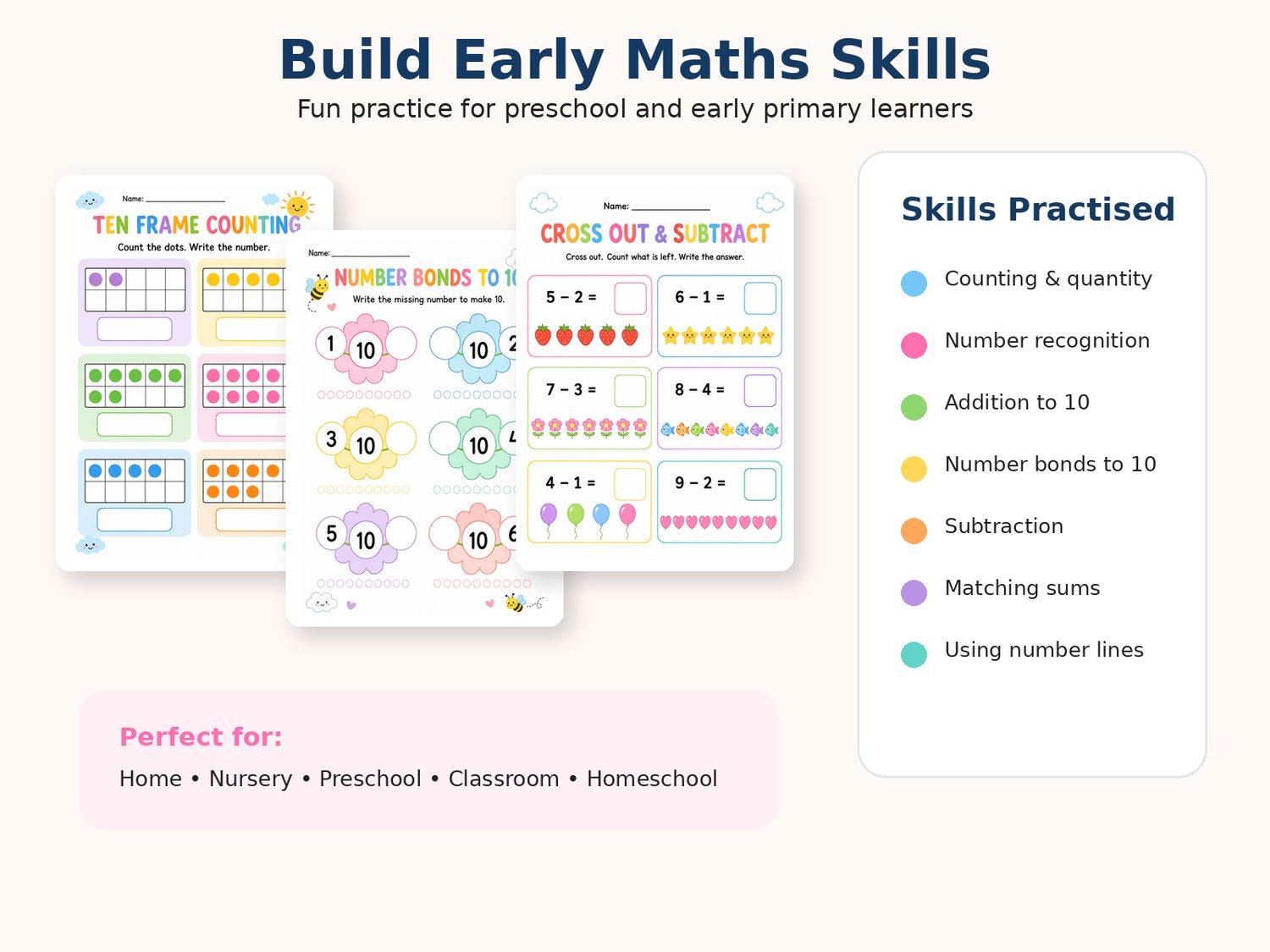
For the youngest learners, math worksheets should focus on basic concepts such as counting, number recognition, and simple shapes. Look for worksheets that incorporate fun visuals and interactive elements.
- Counting Worksheets: These can include colorful images where children count objects and write the corresponding number.
- Number Tracing: Worksheets that allow kids to trace numbers help develop fine motor skills while reinforcing number recognition.
- Shape Identification: Simple worksheets that ask children to circle or color specific shapes can make learning fun.
At this age, mastery looks like a child being able to recognize numbers up to 10 and accurately count objects. You’ll notice progress when they start completing these worksheets independently.
Elementary School
As kids progress to elementary school, the math worksheets can become more complex. They should challenge students with addition, subtraction, basic multiplication, and division.
- Addition and Subtraction Practice: Worksheets can feature problems with varying difficulty levels, incorporating word problems that require students to apply their skills contextually.
- Multiplication and Division Tables: These worksheets help reinforce memorization of multiplication tables, which is crucial for future math success.
- Story Problems: Real-life scenarios that require students to solve problems using addition or subtraction can enhance critical thinking.
For this age group, look for worksheets that allow students to show their work. Mastery can be gauged by their ability to solve problems correctly and explain their reasoning in simple terms.
Middle School
In middle school, students begin to tackle more advanced concepts like fractions, decimals, percentages, and pre-algebra.
- Fraction Worksheets: These can include adding, subtracting, multiplying, and dividing fractions, often with visual aids like pie charts to illustrate concepts.
- Decimal Operations: Worksheets should provide practice in operations involving decimals, including real-world applications like budgeting.
- Algebraic Expressions: Introducing students to basic algebra through worksheets that involve solving for x can build a strong foundation for high school math.
At this stage, you’ll want to see students confidently solving equations and applying their knowledge to new problems. Progress is reflected in their ability to work through multi-step problems.
High School
High school math worksheets should cater to a wide array of topics including geometry, algebra, and calculus.
- Geometry Worksheets: These can feature problems on calculating area, volume, and understanding the properties of shapes, often supported by diagrams.
- Algebra Practice: Worksheets that involve quadratic equations or functions can prepare students for more advanced topics.
- Statistics and Probability: Incorporating real data, such as weather patterns or sports statistics, can make these concepts more engaging and relevant.
Mastery at this level is evident when students can apply mathematical concepts to solve complex problems and analyze data. Their ability to derive formulas and tackle challenging mathematics is a strong indicator of understanding.
Layout and Design Choices
The layout of math worksheets can greatly influence how effectively students engage with the material. Here are some important design elements to consider:
Clear Instructions
Each worksheet should begin with clear, concise instructions. This helps students understand what is expected of them without confusion. For example, instead of just stating “Solve the problems,” you might say, “Solve the following addition problems and show your work.”
Visual Elements
Incorporating visuals can make worksheets more engaging, especially for younger students. Use colorful images or diagrams that relate to the problems being solved. For older students, graphs and charts can help illustrate complex concepts.
Space for Work
Make sure there’s enough space for students to show their work. This is especially important in math, where the process is just as important as the answer. Worksheets designed with ample margins and designated areas for calculations can encourage students to think critically.
Gradual Progression
The layout should reflect a gradual progression of difficulty. Start with simpler problems and gradually increase complexity. This scaffolding approach supports learning and builds confidence.
Using Math Worksheets Effectively
To maximize the effectiveness of math worksheets for all ages, consider these practical tips:
- Integrate with Lessons: Use worksheets as part of a larger lesson plan. This allows students to apply what they’ve learned in a structured way.
- Encourage Collaboration: Allow students to work in pairs or small groups on worksheets. This promotes discussion and collaborative problem-solving.
- Regular Assessment: Use worksheets for formative assessments. Check for understanding by reviewing completed worksheets and providing feedback.
- Adjust for Individual Needs: Different students will have different learning paces. Be prepared to modify worksheets to meet the needs of individual learners.
Incorporating these strategies into your teaching can enhance student engagement and mastery of math concepts.
