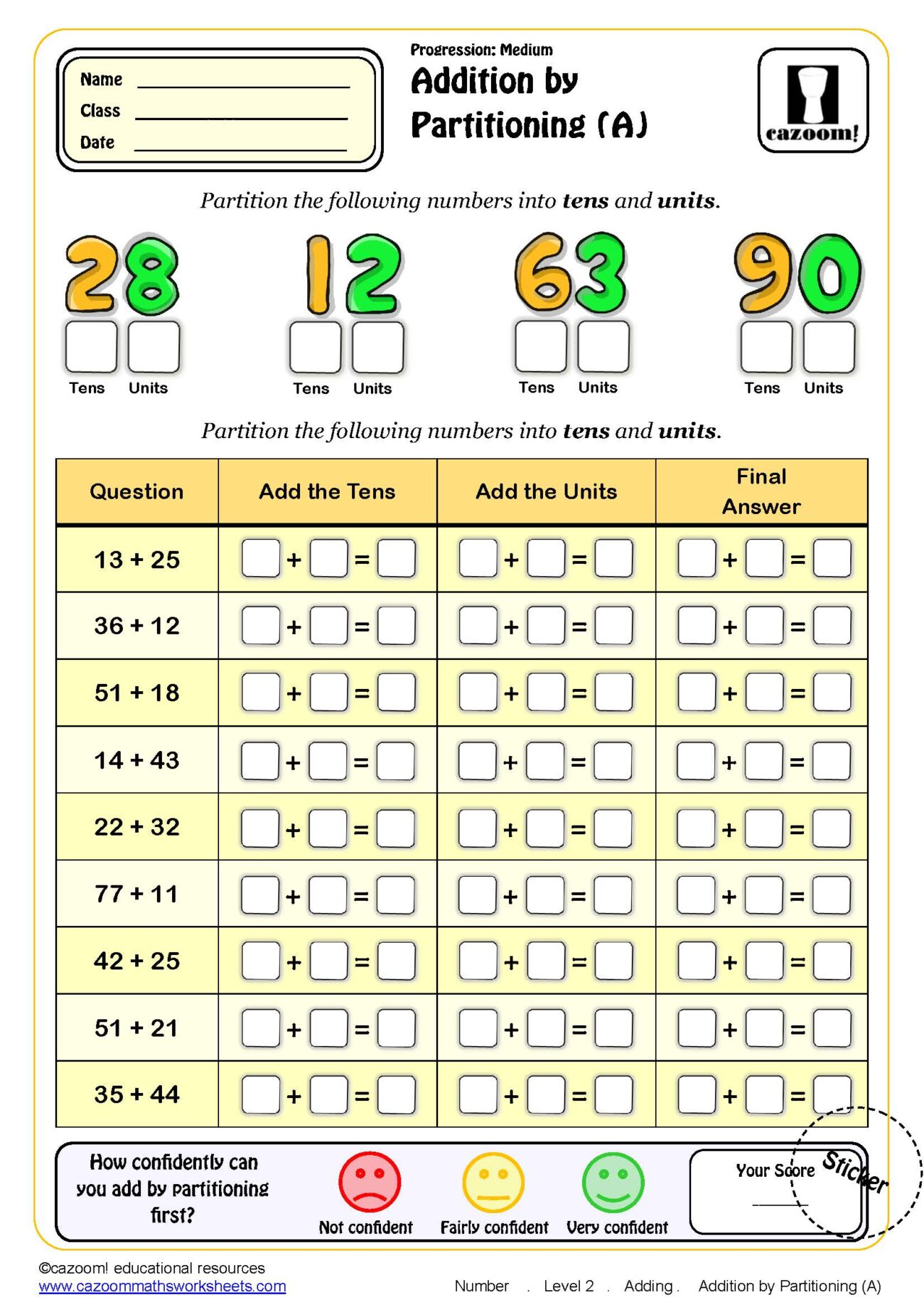
When it comes to engaging young learners in mathematics, well-designed maths sheets for year 2 can make all the difference. These resources help reinforce essential skills while keeping students motivated and excited about learning. With a variety of templates available, you can easily download and print sheets that cater to your teaching style and your students’ needs.
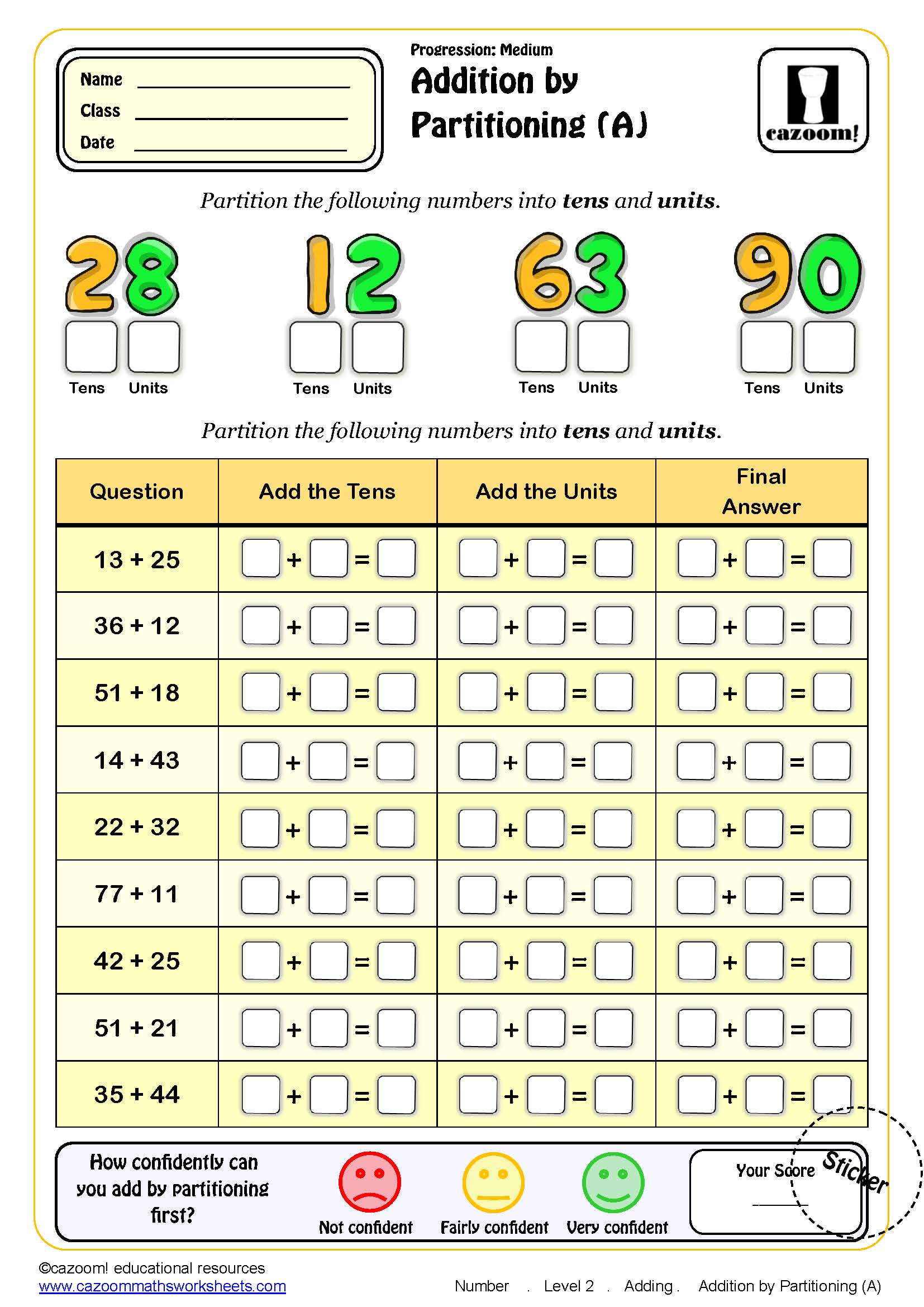
Understanding the Importance of Maths Sheets for Year 2
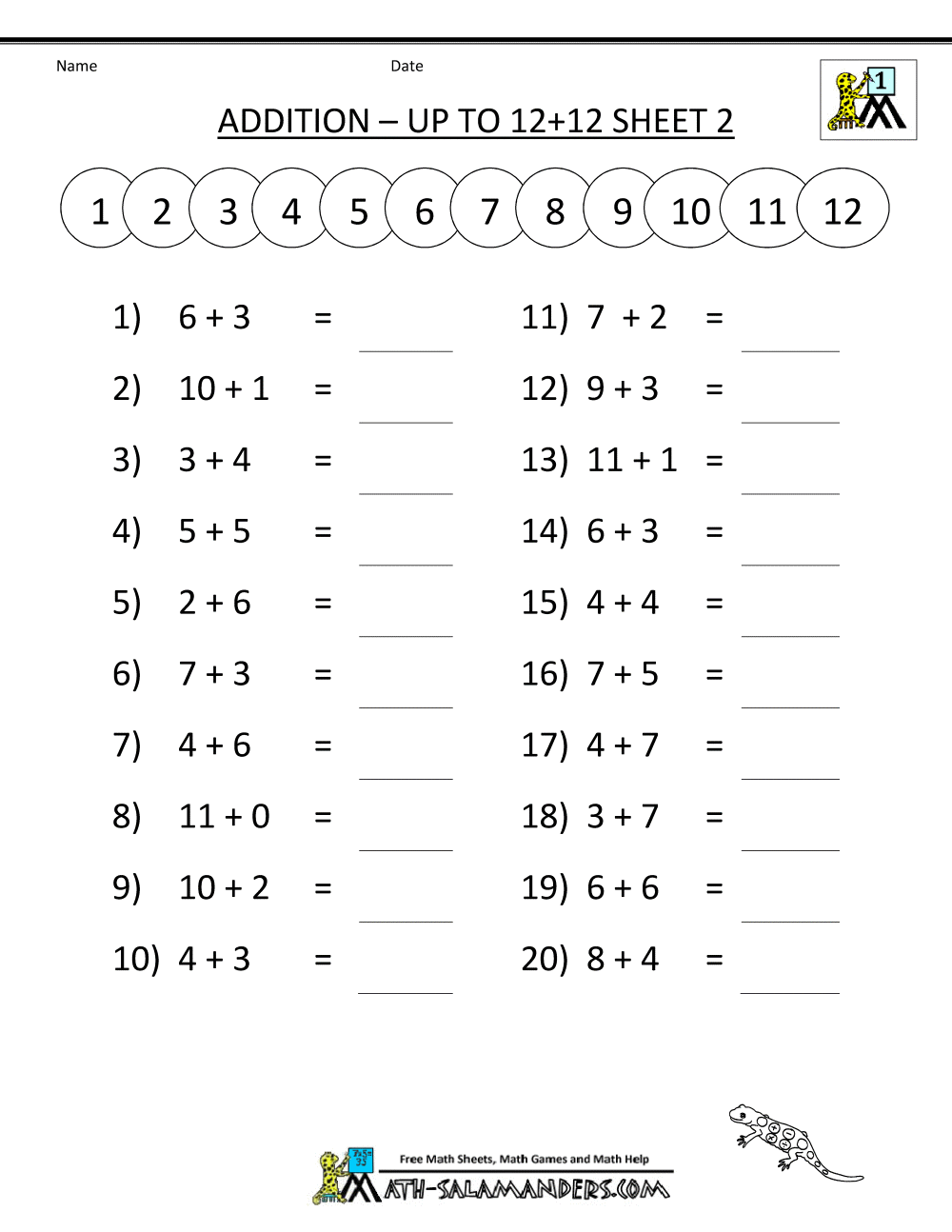
In year 2, students are typically around 7 to 8 years old, and they are building foundational skills in mathematics that will serve them throughout their educational journey. Maths sheets are crucial for reinforcing concepts like addition, subtraction, basic geometry, and measurement. These sheets provide opportunities for independent practice, allowing children to apply what they’ve learned in class and solidify their understanding.
Using maths sheets effectively can help you track individual progress while catering to different learning styles. Some children may thrive with visual aids, while others might prefer hands-on activities. By incorporating a range of worksheets into your curriculum, you can ensure that every student has the chance to succeed.
Where to Find Quality Maths Sheets for Year 2
There are several online resources where you can find high-quality maths sheets for year 2. Websites dedicated to educational resources often offer free downloads, making it easy to access materials without breaking the bank. Look for sites that provide worksheets in PDF format, as this ensures consistent formatting when printed.
When searching for maths sheets, consider the following factors:
- Skill Level: Ensure the worksheets are tailored for year 2 students. They should align with national curriculum standards and focus on appropriate difficulty levels.
- Variety: Look for resources that cover a range of topics, such as addition, subtraction, multiplication, and word problems. This variety keeps students engaged and helps develop a broader understanding of mathematics.
- Visual Appeal: Worksheets that incorporate fun graphics and colorful designs can make the learning process more enjoyable for young children.
How to Use Maths Sheets Effectively in the Classroom
Once you have selected the maths sheets for year 2 that you want to use, it’s time to implement them in your classroom or homeschooling setting. Here’s a step-by-step approach to maximize their effectiveness:
- Choose the Right Worksheets: Select sheets that match the concepts you’re currently teaching. For instance, if you’re focusing on addition, find worksheets that specifically target that skill.
- Download and Print: Download the PDF version of the maths sheets to avoid any formatting issues. Print them out in portrait layout, which generally works better for most home printers. Use standard A4 paper for a consistent and professional look.
- Set Up a Learning Environment: Create a designated space for students to work on their maths sheets. Ensure it’s well-lit and free from distractions. Provide comfortable seating and necessary supplies, such as pencils, erasers, and rulers.
- Introduce the Worksheets: Before handing out the sheets, explain the objectives clearly. Demonstrate how to complete the first few problems, so students feel confident to work independently.
- Encourage Independent Practice: Allow students to work through the sheets at their own pace. This independent practice is crucial for developing their problem-solving skills and building confidence in their mathematical abilities.
- Review and Provide Feedback: Once the students have completed their worksheets, review the answers together. Discuss any mistakes and correct misconceptions. This feedback loop is essential for reinforcing learning.
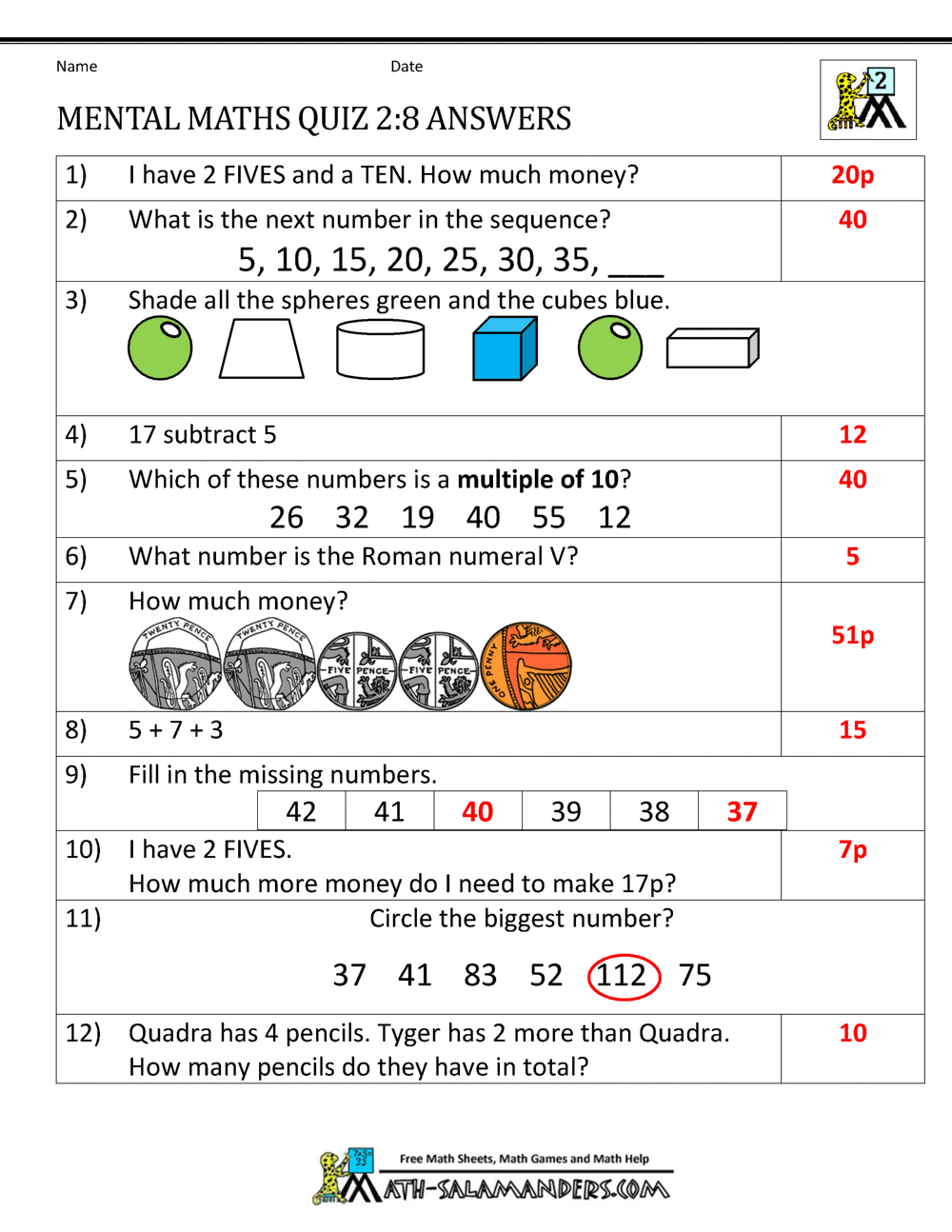
Types of Maths Activities to Include
When you’re looking for maths sheets for year 2, consider including a mix of activities that cater to various learning styles and preferences. Here are a few types of activities that can enhance your worksheets:
- Word Problems: These help students apply math in real-life situations. Create scenarios that require them to use addition or subtraction to solve problems.
- Fill-in-the-Blanks: Use sentences with missing numbers or operations for students to complete. This reinforces their understanding of mathematical vocabulary and concepts.
- Matching Activities: Have students match numbers with their corresponding word forms or match problems with their answers. This can help with number recognition.
- Puzzles and Games: Incorporate fun elements like crosswords or Sudoku tailored for their skill level. These can motivate students to engage with math in a playful way.
