When it comes to reinforcing math skills, having the right resources can make all the difference. These 100 math fact practice worksheets are specifically tailored to help students master essential math facts in a structured and engaging way. Unlike other generic resources, these worksheets focus on clear layouts and targeted practice, making them suitable for various grade levels and learning environments.
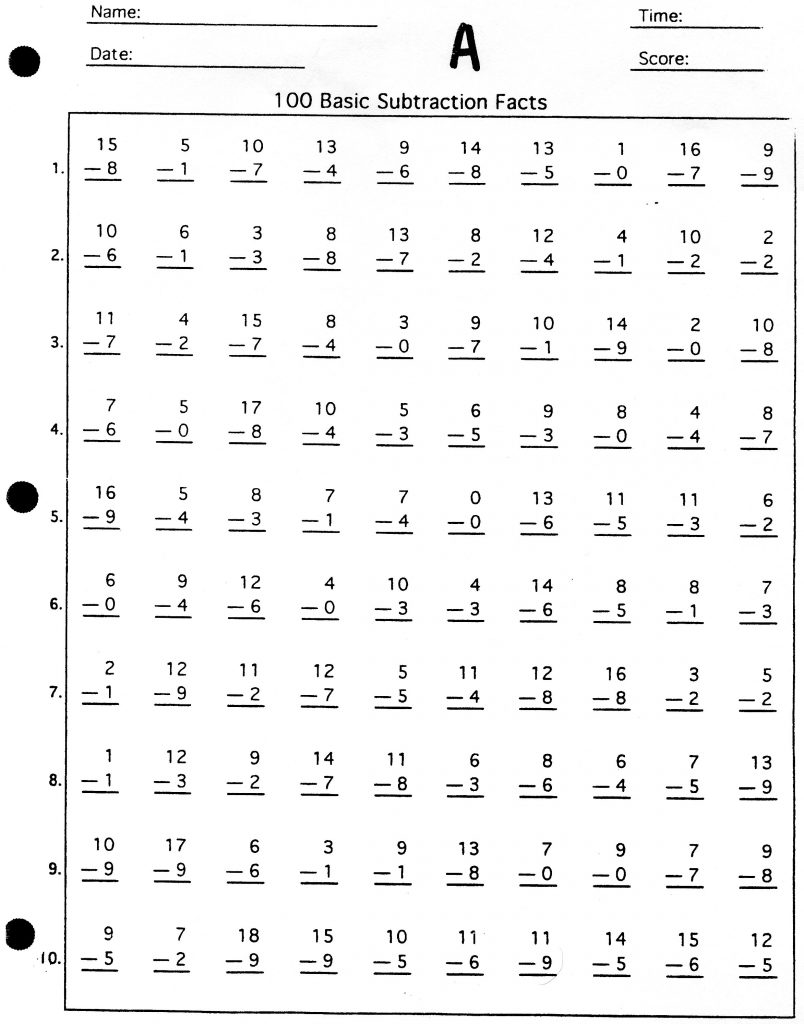
Understanding the Layout of the Worksheets
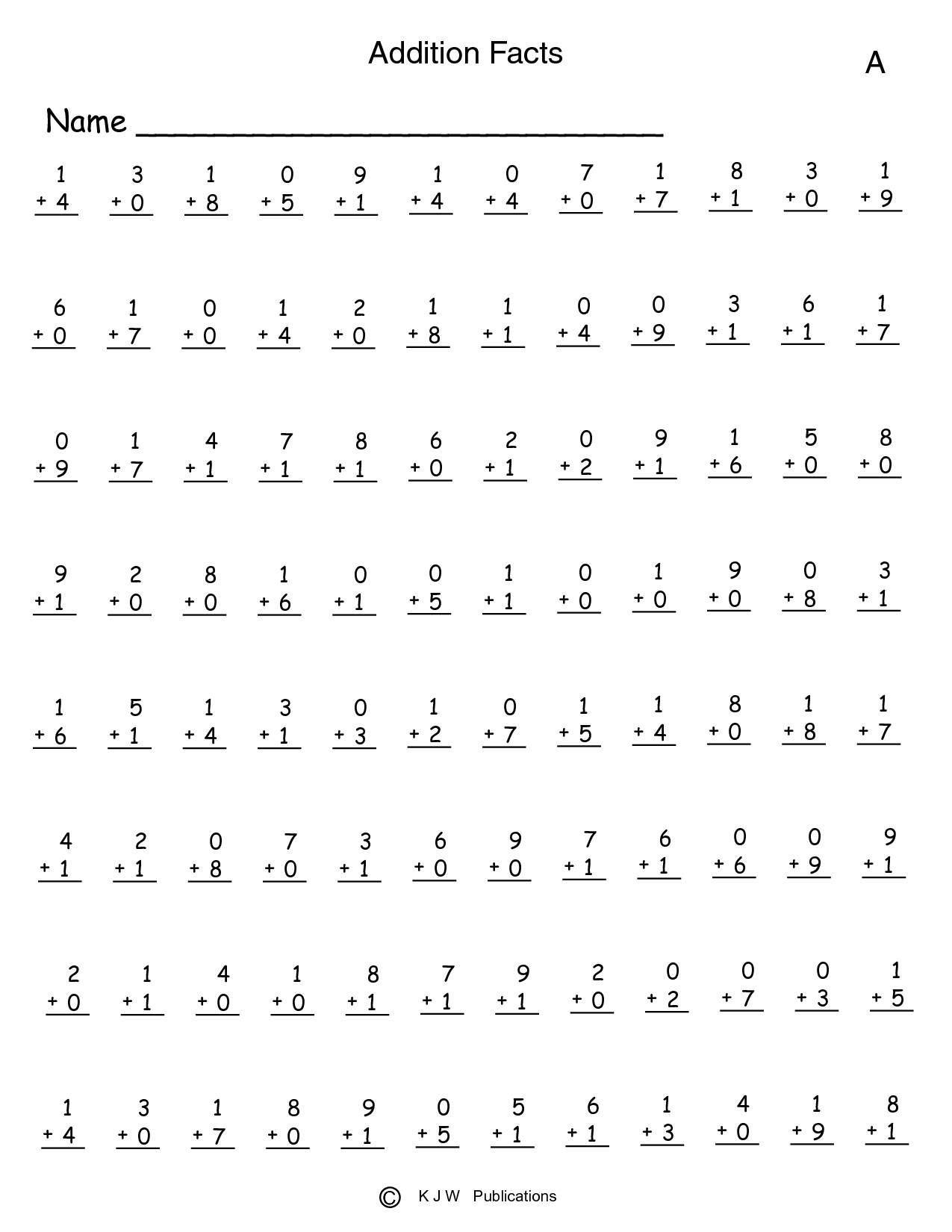
Each of the 100 math fact practice worksheets features a consistent layout that teachers and students will find straightforward. You’ll notice that the worksheets typically have a header that includes the specific math fact focus, such as addition or multiplication. This clarity helps students quickly identify what they are practicing.
The main body of each worksheet is divided into sections, often organized by difficulty level. For example, one section may cover basic facts (like sums up to 10), while another may delve into more complex problems (like sums up to 20). This tiered approach allows you to easily differentiate instruction and provide targeted practice for students at varying skill levels.
You can also expect ample space for students to write their answers, which is particularly useful for younger learners still developing their writing skills. The worksheets are designed with enough space to accommodate larger handwriting, reducing frustration during the practice process.
Practical Use in the Classroom
Using these 100 math fact practice worksheets in the classroom can streamline your teaching process. Here are a few practical ways to implement them:
- Daily Warm-Ups: Integrate a worksheet into your daily routine as a warm-up exercise. Giving students 5-10 minutes to complete a worksheet at the start of class can help them settle in and prepare for the day’s lessons.
- Assessment Tools: These worksheets can also serve as informal assessments. By observing how quickly and accurately students complete the worksheets, you can gauge their understanding of math facts and identify those who may need additional support.
- Homework Assignments: Assigning these worksheets as homework is another effective strategy. It reinforces what has been taught in class and encourages students to practice independently.
- Group Work: Consider using the worksheets in small group settings. Students can work together to solve problems, discussing their thought processes and strategies, which enhances their understanding.
Printing and Preparation Tips
When it comes to printing the worksheets, consider the following tips for an optimal experience:
- Paper Size: Most worksheets are formatted for standard letter size (8.5 x 11 inches). This size is compatible with most printers and easy for students to handle.
- Bulk Printing: If you plan to use the worksheets for an entire class, print multiple copies at once. This not only saves time but also ensures that every student has access to the same practice material.
- Answer Keys: Each worksheet typically comes with an answer key, which is invaluable for quick grading. Consider keeping a printed copy in your lesson plan binder for easy reference.
- Laminating: For worksheets intended for ongoing use, laminating them can be a smart choice. This allows students to use dry-erase markers for repeated practice, which saves paper and provides an interactive element.
Engaging Students With Variety
The 100 math fact practice worksheets offer a variety of problem types to keep students engaged. You’ll find traditional problem formats, as well as creative exercises that incorporate puzzles and games. This variety is crucial for maintaining student interest and catering to different learning styles.
For example, some worksheets may include fill-in-the-blank problems, while others might present math facts in a bingo format. By mixing these formats, you can enhance the learning experience and help students develop a more robust understanding of math facts.
Additionally, consider pairing the worksheets with interactive activities. After completing a worksheet, students could play a math facts game or participate in a group quiz. This combination of practice and fun can solidify their learning and boost confidence.
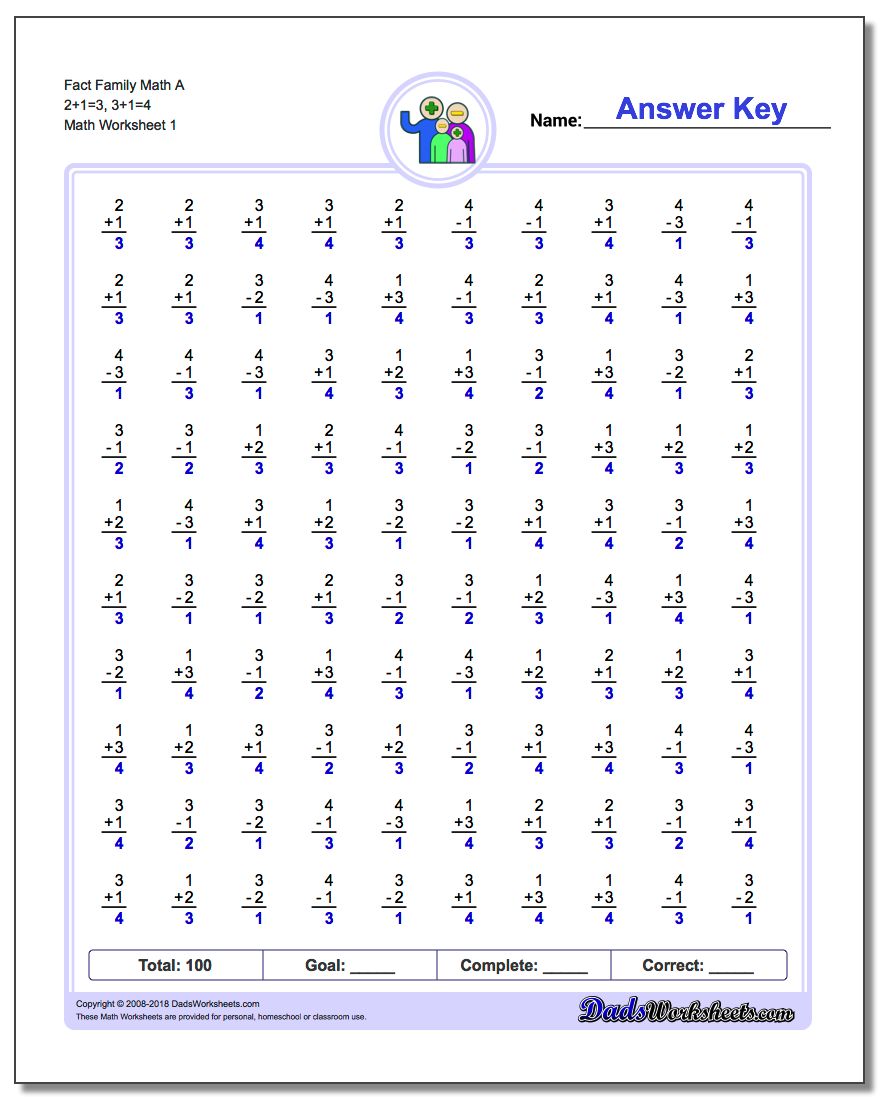
Customizing Worksheets for Differentiation
One of the standout features of these worksheets is their adaptability. While the base format is consistent, you can easily modify the worksheets to cater to individual student needs. Here are some ideas:
- Adjusting Difficulty: For students who are struggling, consider simplifying the problems or reducing the number of questions on a worksheet. Conversely, challenge advanced students by providing them with additional problems or mixed operations.
- Adding Visuals: Incorporating visuals or manipulatives can help students who benefit from visual aids. For example, you could have students use counters or number lines alongside their worksheets.
- Creating Themed Worksheets: To make learning more engaging, consider theming worksheets around holidays or special events. This could involve creating word problems that relate to a particular season or event, adding an element of fun to the practice.
By customizing the worksheets, you can ensure that all students are engaged and learning at their own pace.
