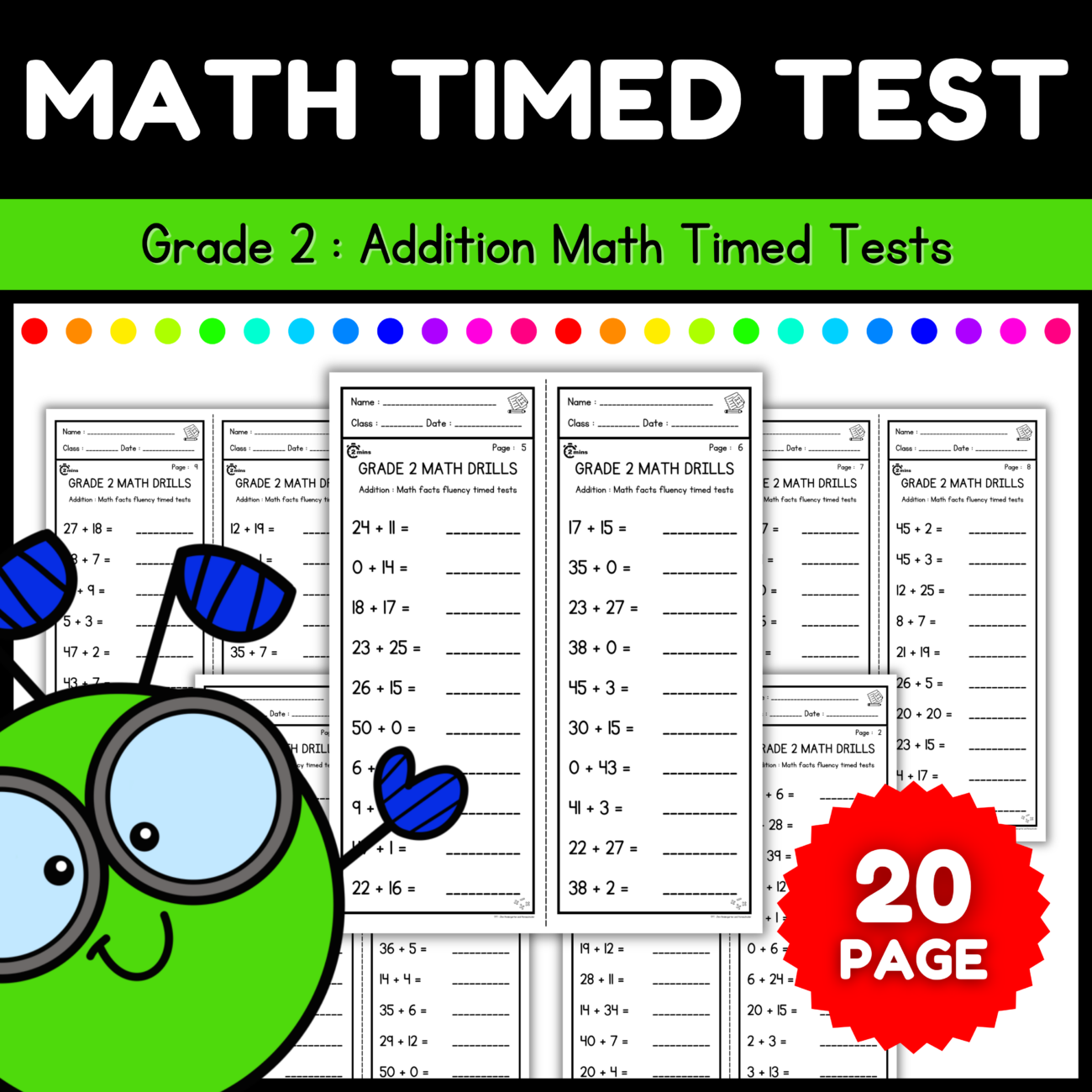
As the afternoon sun streams through the window, Sarah watches her son, Jake, struggle with his math homework. He’s in the 2nd grade, and while he loves playing with numbers, the idea of timed math drills sends him into a tailspin of anxiety. This is where 2nd grade math fluency math drills can make a difference. They not only help reinforce his learning but also build his confidence in a fun and engaging way.
Understanding Math Fluency for 2nd Graders
Math fluency isn’t just about getting the right answers; it’s about developing a deep understanding of numbers and their relationships. For 2nd graders, fluency means being able to solve problems quickly and accurately. This foundational skill is critical as it sets the stage for more complex mathematical concepts in later grades.
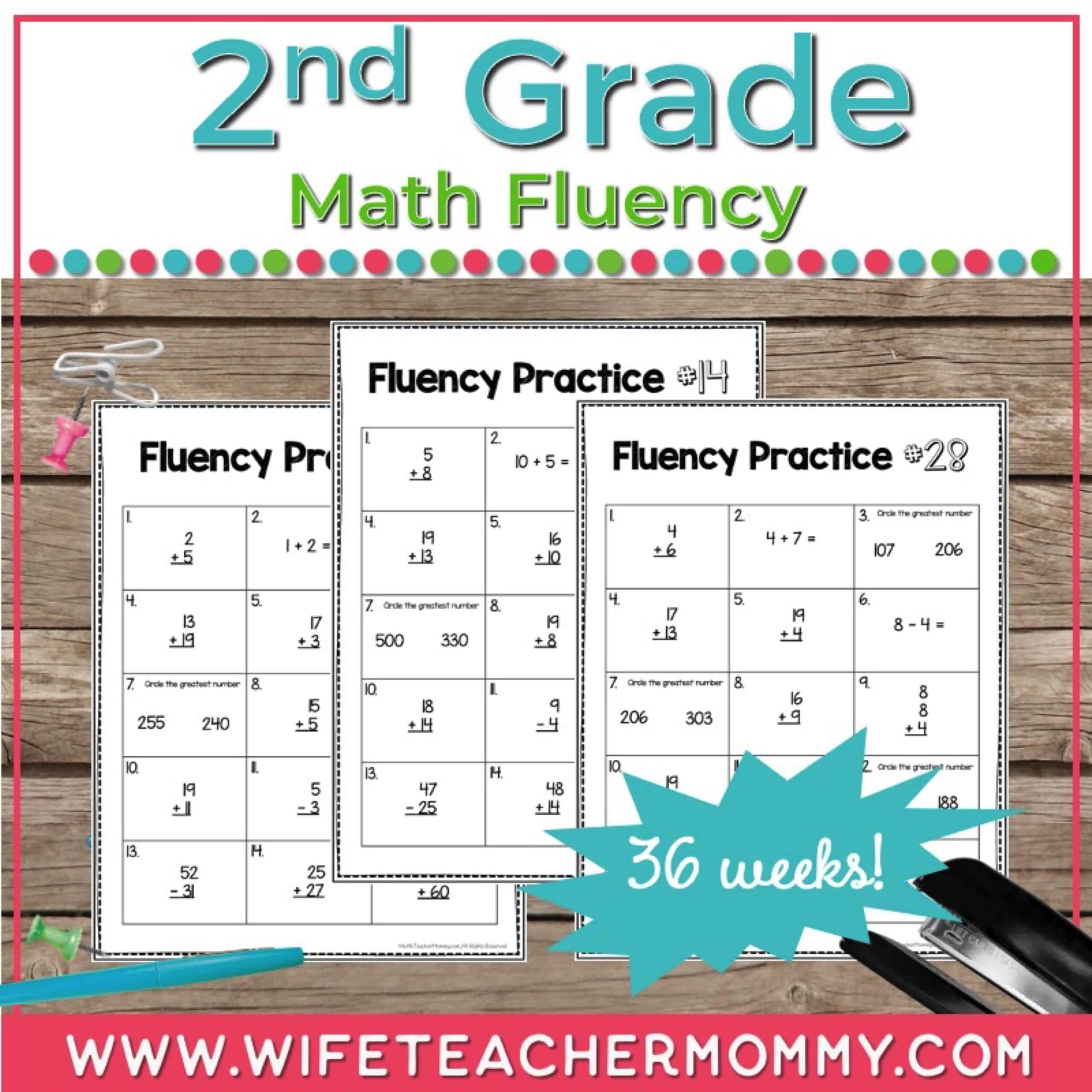
To cultivate math fluency, drills should focus on basic addition and subtraction facts, number sense, and simple word problems. These drills can be easily integrated into daily routines, whether at home or in a homeschooling environment, without requiring extensive preparation or resources.
Effective Strategies for Implementing Math Drills
When it comes to implementing 2nd grade math fluency math drills, a few strategies can enhance the experience for both you and your child.
Create a Routine
Establishing a consistent time for math drills can help Jake feel more comfortable. Set aside 15-20 minutes each day, perhaps right after lunch or as a break from other activities. Consistency helps reinforce learning and creates a sense of stability.
Use Engaging Formats
While traditional worksheets can be effective, incorporating different formats can keep Jake engaged. Here are a few ideas:
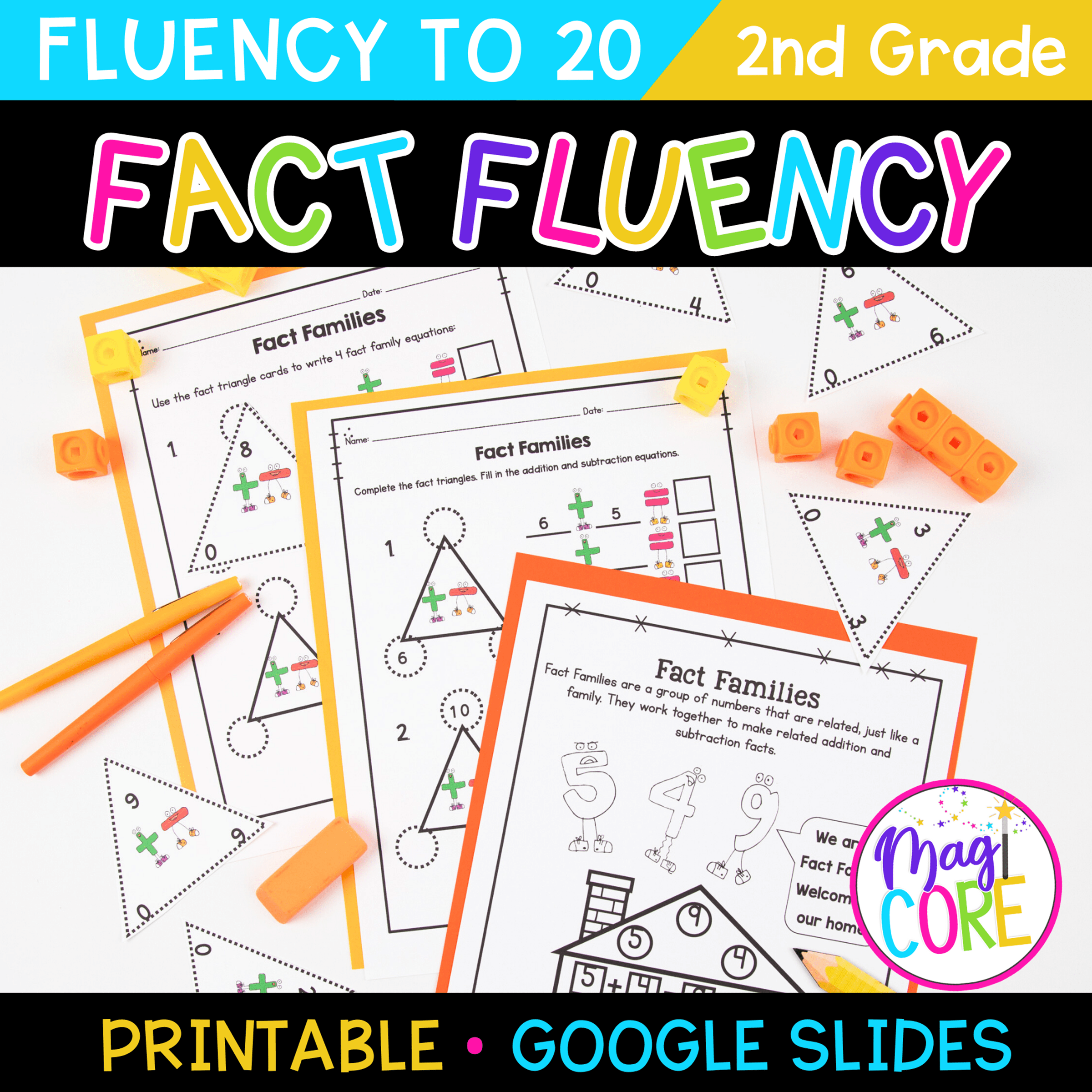
- Flashcards: Create flashcards with math problems on one side and answers on the other. They can be used for quick drills or games.
- Board Games: Look for board games that involve math concepts, like “Chutes and Ladders” or “Monopoly Junior.” These can reinforce skills in a playful manner.
- Interactive Apps: There are several educational apps designed for 2nd graders that make math practice fun. Choose ones that focus on fluency and provide instant feedback.
Incorporate Real-Life Situations
One of the best ways to make math relevant is to incorporate real-life scenarios. Involve Jake in cooking, shopping, or even planning a small event. Ask him to calculate quantities, compare prices, or manage a budget. These practical applications help solidify his understanding and make math feel less abstract.
Printable Resources for 2nd Grade Math Drills
Utilizing printable resources can significantly enhance your drills. Here are some types of resources to consider:
Math Worksheets
Worksheets specifically designed for 2nd grade math fluency can be a fantastic tool. Look for worksheets that include:
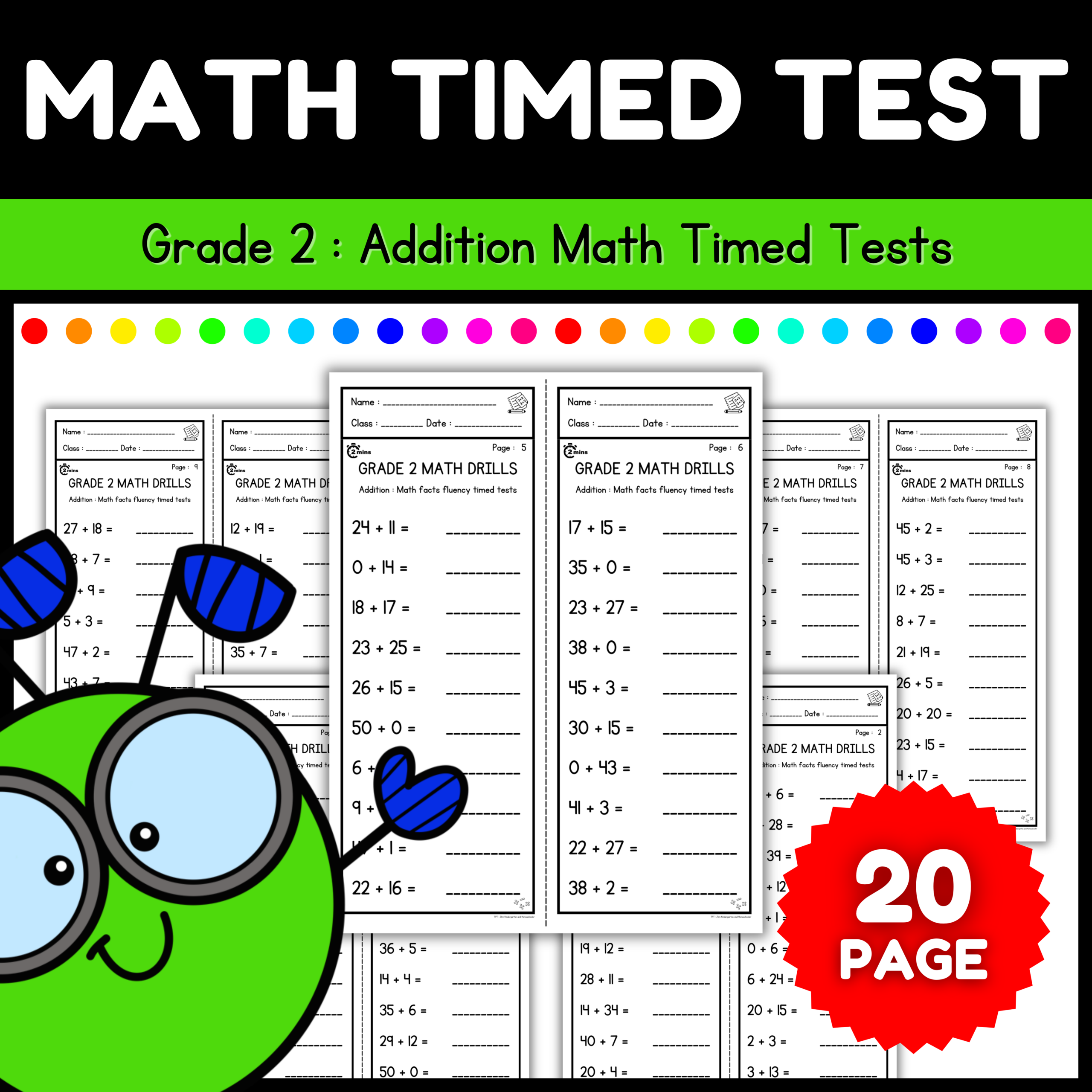
- Timed Drills: These help students practice under pressure, boosting their ability to think quickly.
- Variety of Problems: Include a mix of addition, subtraction, and word problems to keep the drills fresh and engaging.
- Visual Aids: Incorporate pictures or diagrams to help visual learners grasp concepts better.
Math Fluency Games
There are numerous downloadable games available that focus on math skills. These can range from simple board games to interactive digital formats. Games often allow for collaborative play, making them a great option for siblings or friends to join in the learning process.
Progress Tracking Sheets
Creating or printing progress tracking sheets can be motivating for Jake. These sheets can allow him to mark off completed drills and see his improvement over time. You might include areas for setting goals, such as aiming to complete a certain number of problems in a specific time frame.
Tips for Keeping Math Drills Fun and Light
It’s important to maintain a positive atmosphere during math drills. Here are some tips:
- Celebrate Achievements: Acknowledge Jake’s progress, no matter how small. Celebrating achievements can boost his confidence and motivate him to keep trying.
- Mix It Up: To prevent boredom, rotate through different types of drills and activities. This keeps the learning experience dynamic and engaging.
- Adjust Difficulty: If Jake finds certain drills too easy or too challenging, don’t hesitate to adjust the difficulty. The goal is to ensure he’s continually challenged but not overwhelmed.
