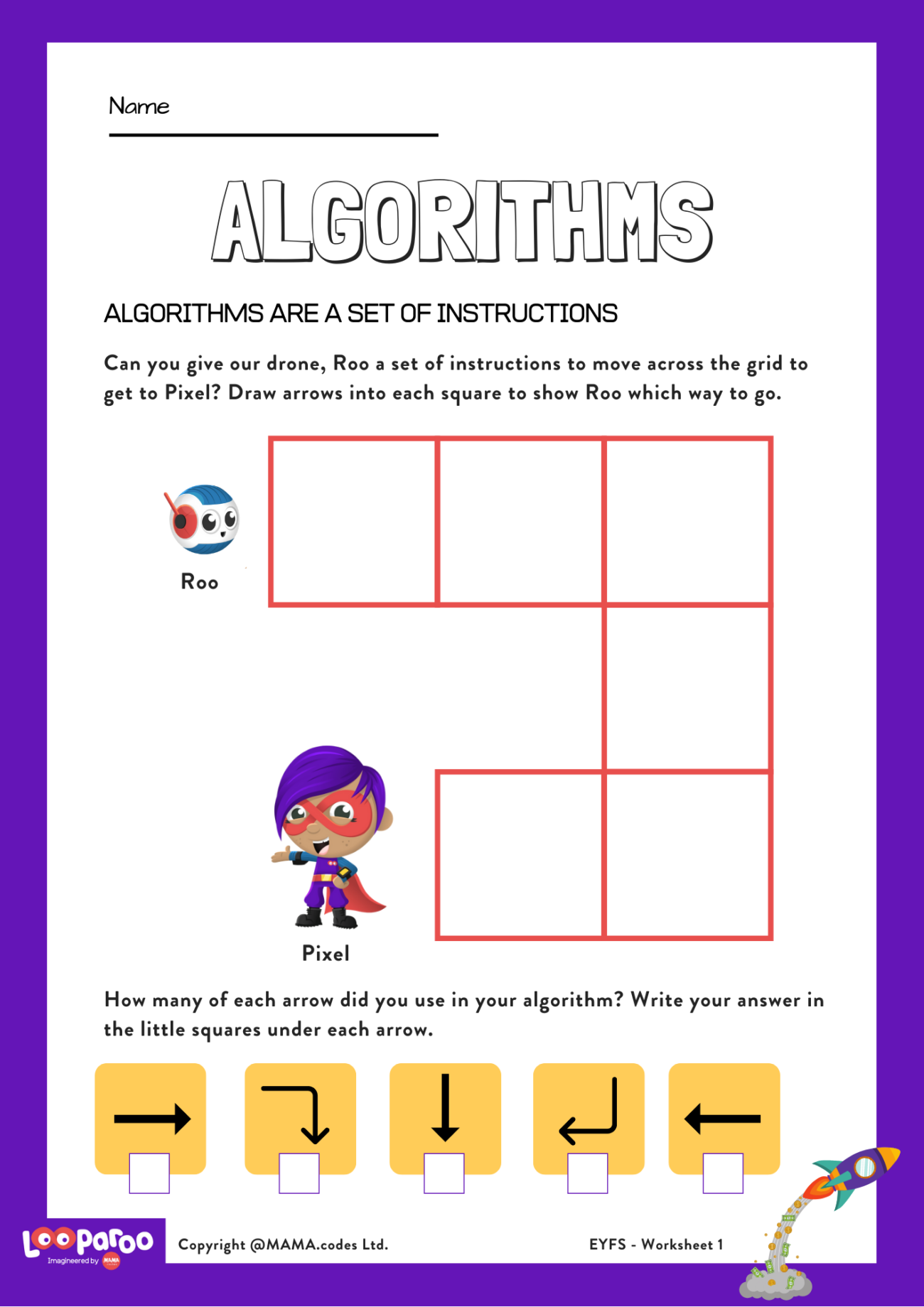
Teaching second graders about algorithms can be a fun and rewarding experience. Algorithm worksheets for grade 2 are designed to introduce young learners to the concept of sequences and problem-solving in a way that’s engaging and age-appropriate. These worksheets serve as an excellent tool to help students grasp the foundational skills they need for more complex topics later on.
Understanding Algorithms in Grade 2
At this stage, it’s essential to break down the concept of algorithms in a simple manner. An algorithm is essentially a step-by-step set of instructions to solve a problem or complete a task. For second graders, this can relate to everyday activities, such as making a sandwich or getting ready for school.
Using algorithm worksheets, you can guide your students to recognize patterns and sequences in various contexts. For instance, you might present a worksheet that asks them to outline the steps needed to complete a specific task, like brushing their teeth or tying their shoes. This not only builds their understanding of algorithms but also enhances their critical thinking skills.
Types of Algorithm Worksheets for Grade 2
There are several types of algorithm worksheets that can be beneficial for grade 2 students. Here are some practical examples:
Sequencing Worksheets
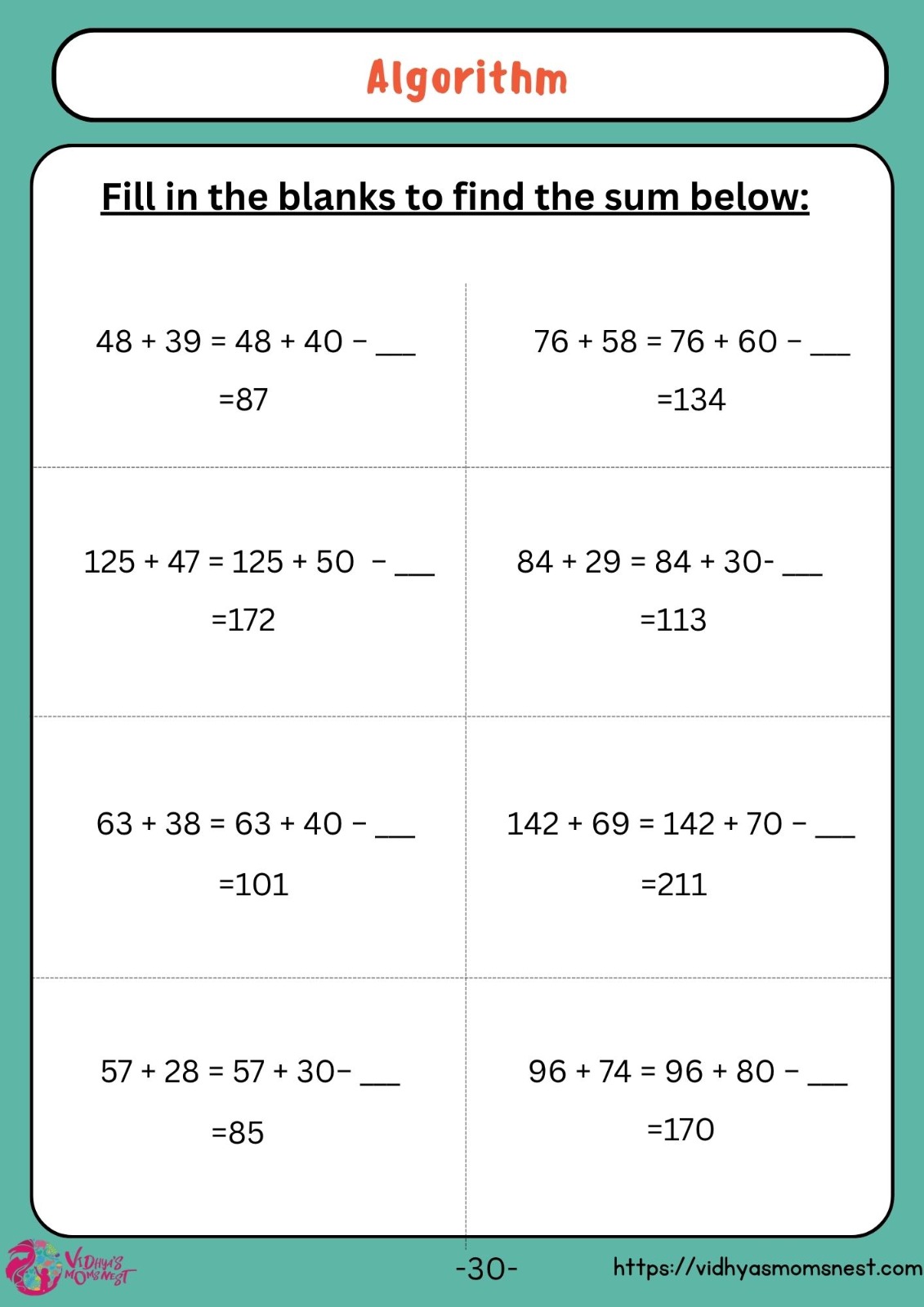
Sequencing worksheets encourage students to arrange events in the correct order. For example, you could provide a set of pictures illustrating the steps for planting a seed. Students would need to number the images from one to five, reinforcing their understanding of the sequential nature of algorithms.
Flowchart Activities
Flowcharts are a great way to visualize algorithms. Incorporating flowchart activities into your curriculum allows students to map out the steps of a process visually. You can create simple flowchart worksheets where students need to fill in the blanks or draw arrows to connect steps logically.
Conditional Statements
Introducing conditional statements can also be a fun twist to algorithm worksheets. For example, you could present scenarios like, “If it’s raining, then wear a raincoat.” Students can write similar statements based on different situations. This helps them understand how decisions can affect the outcome, which is a fundamental aspect of algorithms.
Interactive Games
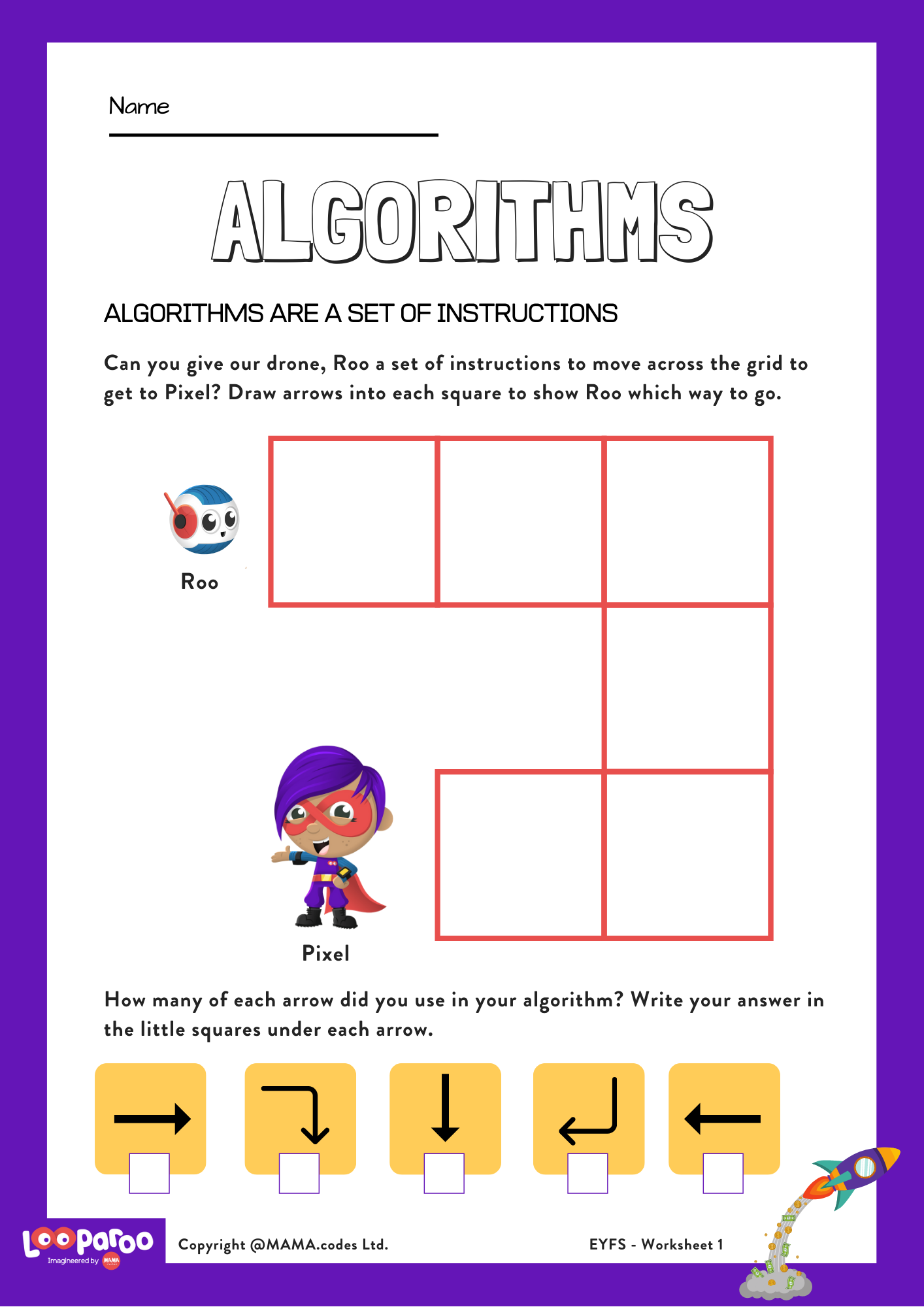
Incorporating games into your algorithm worksheets can make learning more engaging. For instance, you might have a worksheet that includes a board game format where students have to follow a set of instructions to reach the finish line. This not only reinforces their understanding of sequences but also keeps them motivated to learn.
How to Use Algorithm Worksheets Effectively
To maximize the effectiveness of algorithm worksheets for grade 2, consider the following tips:
- Print in Bulk: If you’re teaching a full class, printing multiple copies of these worksheets will save time. Use standard paper sizes like 8.5 x 11 inches for easy printing.
- Answer Key: Prepare an answer key for each worksheet. This will help you quickly review students’ work and provide immediate feedback, which is crucial for their learning process.
- Incorporate Group Activities: Encourage students to work in pairs or small groups to complete the worksheets. This collaborative approach not only fosters teamwork but also allows them to discuss and refine their understanding of algorithms together.
- Use Real-Life Examples: When presenting the worksheets, relate the concepts to real-life scenarios that students can easily connect with. This relevance can significantly enhance their engagement and understanding.
Assessing Understanding With Algorithm Worksheets
As you introduce algorithm worksheets into your curriculum, it’s essential to assess students’ understanding regularly. Here are some methods to evaluate their grasp of the concepts:
- Observation: Pay attention to how students approach the worksheets. Are they able to follow the steps independently? This observation will give you insights into their understanding.
- Discussion: After completing a worksheet, have a class discussion where students can share their thought processes. This will help you gauge their understanding and clarify any misconceptions.
- Follow-Up Activities: Create follow-up activities based on the algorithm worksheets. For instance, after completing a sequencing worksheet, you could have students act out the steps in front of the class. This reinforces their learning through kinesthetic activity.
