Math story problems are an essential part of developing critical thinking and problem-solving skills in students. Unlike straightforward calculations, these worksheets require children to apply their mathematical knowledge to real-world scenarios, making learning both engaging and practical. This article focuses on free math story problem worksheets that can be easily downloaded and printed, providing teachers and parents with valuable resources to enhance their students’ understanding of math concepts.
Understanding the Structure of Math Story Problems
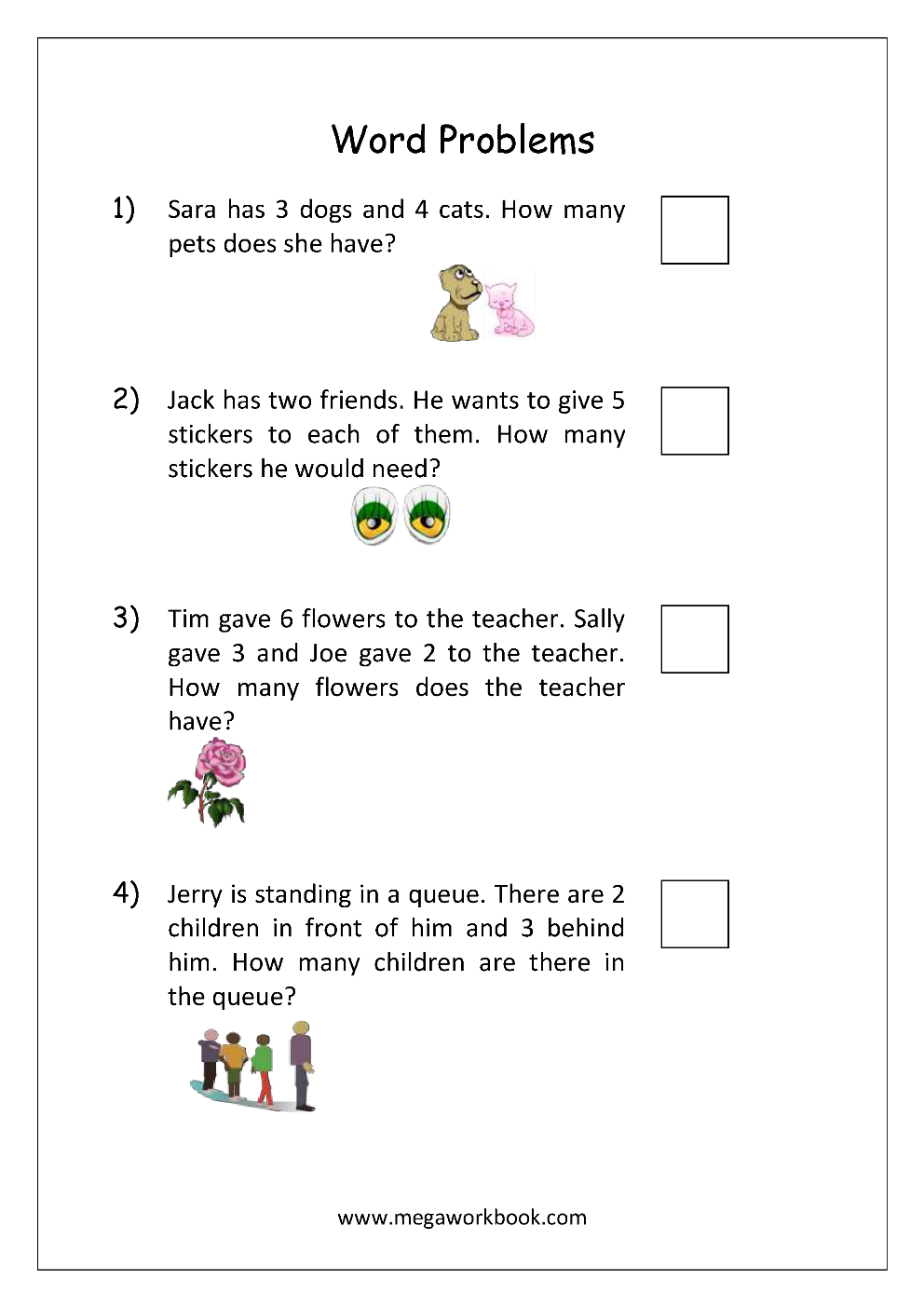
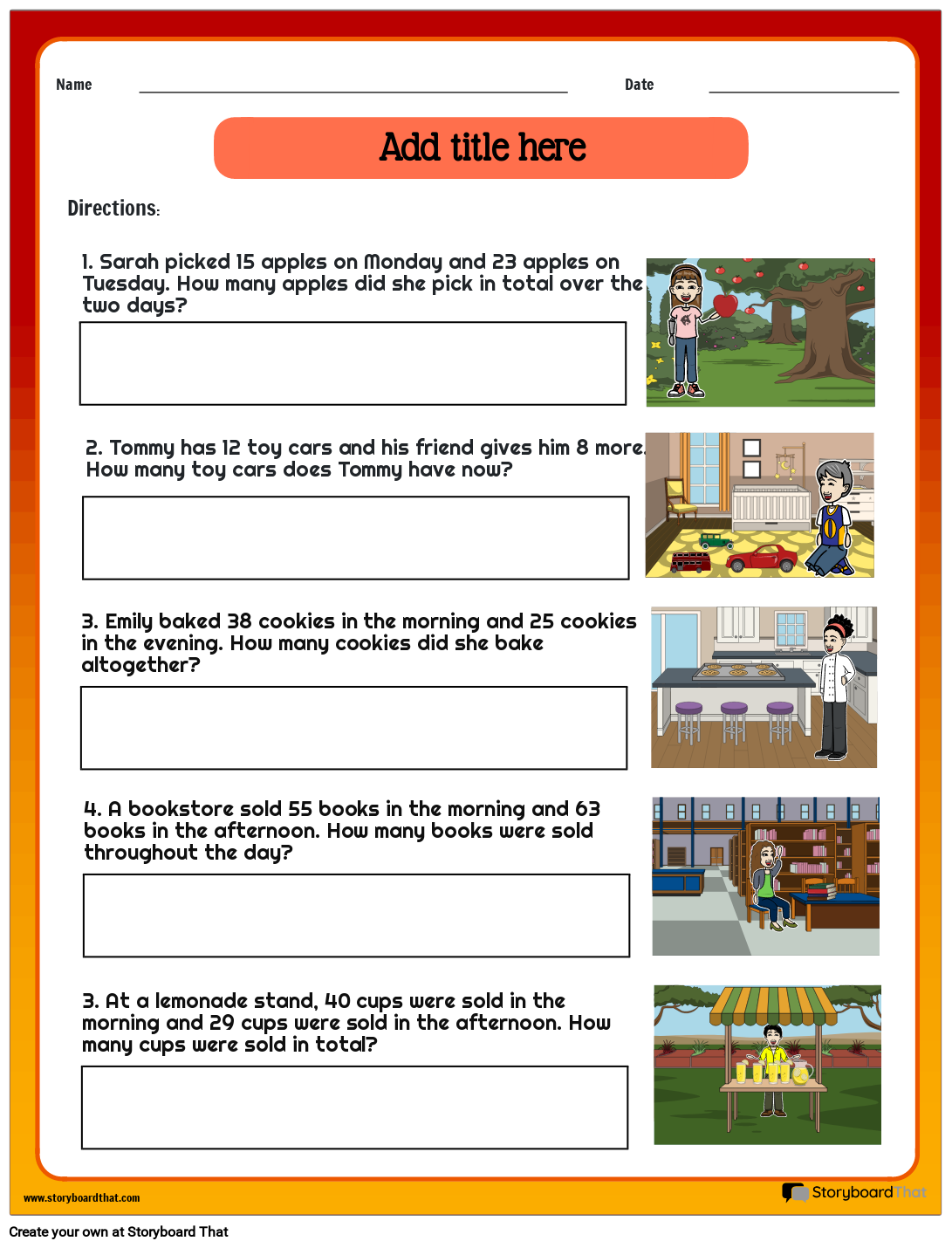
Math story problems typically consist of a narrative that sets up a scenario requiring mathematical intervention. These problems can range from simple addition and subtraction to more complex multiplication and division situations.
When you look at a typical worksheet, you will notice:
- Clear Instructions: Each problem usually begins with a directive such as “How many apples are left?” or “If Sarah has 5 books and buys 3 more, how many does she have in total?”
- Contextual Clues: The narrative often includes characters, locations, and objects relevant to the problem, helping students visualize the scenario.
- Multiple Choice Options: Some worksheets may include answer choices, while others require students to write down their answers, allowing for a range of assessment methods.
This structure not only makes the problems relatable but also encourages students to think critically about how to approach solving them.
Grade Level Suitability
The free math story problem worksheets are designed for various grade levels, typically ranging from 1st to 5th grade. Here’s a brief overview of what to expect at each level:
- 1st Grade: Problems focus on basic addition and subtraction within 20. For example, “If there are 10 birds in a tree and 2 fly away, how many are left?”
- 2nd Grade: Introduces more complex problems that may involve two-step solutions or simple multiplication. An example might be, “There are 4 bags of apples, and each bag has 3 apples. How many apples are there in total?”
- 3rd Grade: This level often includes division and fractions. A typical problem could be, “A pizza is cut into 8 slices. If John eats 2 slices, what fraction of the pizza is left?”
- 4th and 5th Grades: These grades typically tackle multi-step problems, incorporating larger numbers and requiring deeper thought processes. An example could be, “A farmer has 120 apples. He sells 45 and gives away another 15. How many apples does he have left?”
When selecting worksheets, ensure they align with the skills your students are currently developing.
Engaging Activities With Math Story Problems
Using free math story problem worksheets in the classroom or at home can be a fun and interactive experience. Here are some ideas to incorporate these worksheets into your teaching strategy:
- Group Work: Divide students into small groups and provide each group with a different worksheet. After they solve the problems, have them present their solutions and reasoning to the class. This encourages collaboration and communication.
- Real-life Application: Encourage students to create their own story problems based on their experiences or interests. This not only reinforces their understanding but also allows them to express creativity.
- Timed Challenges: For an added challenge, set a timer and see how many problems students can solve within a certain timeframe. This can help improve their speed and confidence in handling math problems.
Downloading and Printing Resources
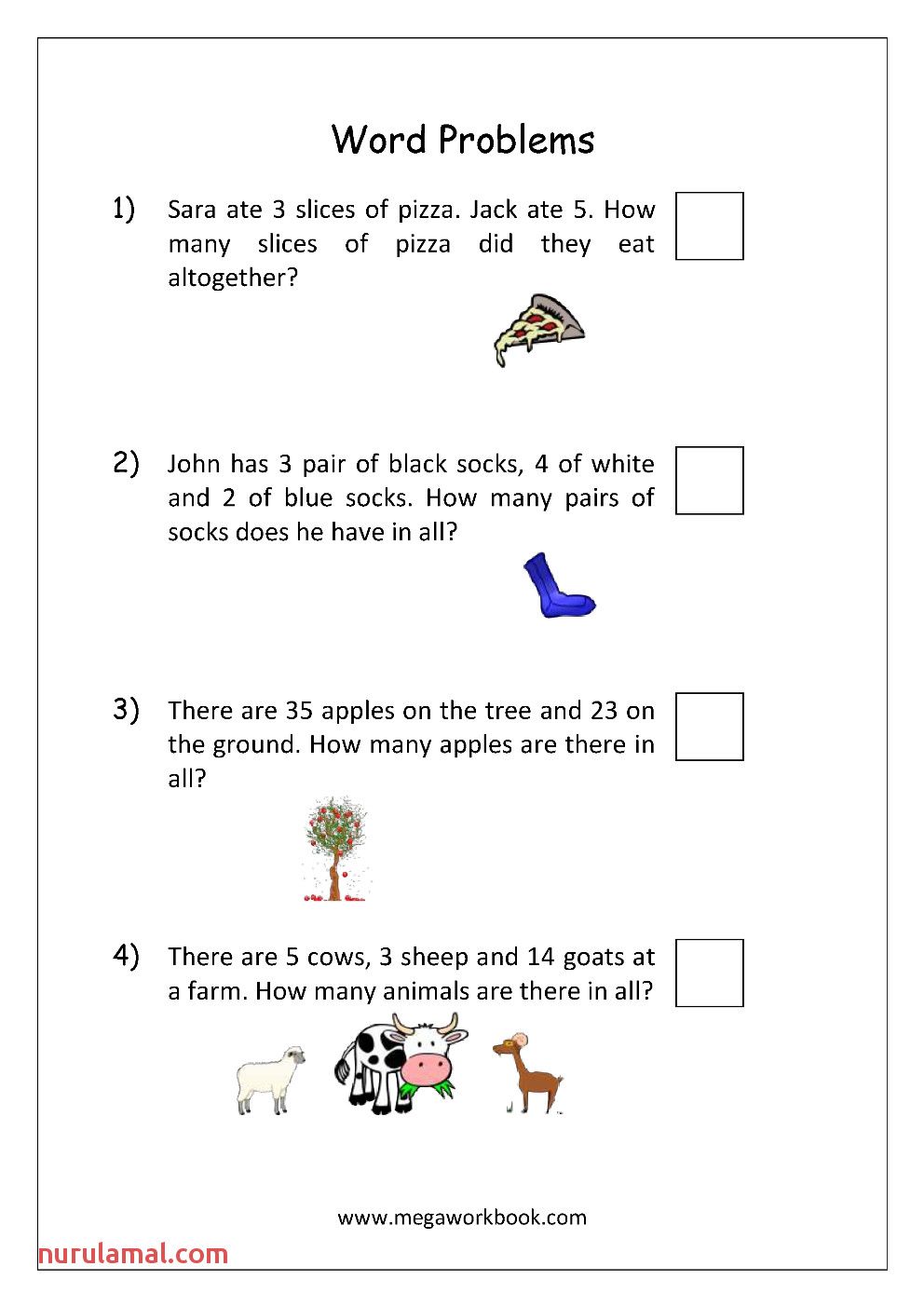
Finding high-quality, free math story problem worksheets is easier than ever. Many educational websites offer downloadable PDFs that you can print at home or in the classroom. Here are some tips for ensuring a smooth printing process:
- Paper Size: Most worksheets are designed for standard letter size (8.5″ x 11″). Ensure your printer settings are set to this paper size to avoid any formatting issues.
- Portrait vs. Landscape: Story problems are typically formatted in portrait layout. This is easier to read and fits well on most classroom displays.
- Quality of Paper: If you plan to laminate the worksheets for repeated use, consider printing on heavier cardstock. This will ensure they last longer and can withstand frequent handling.
