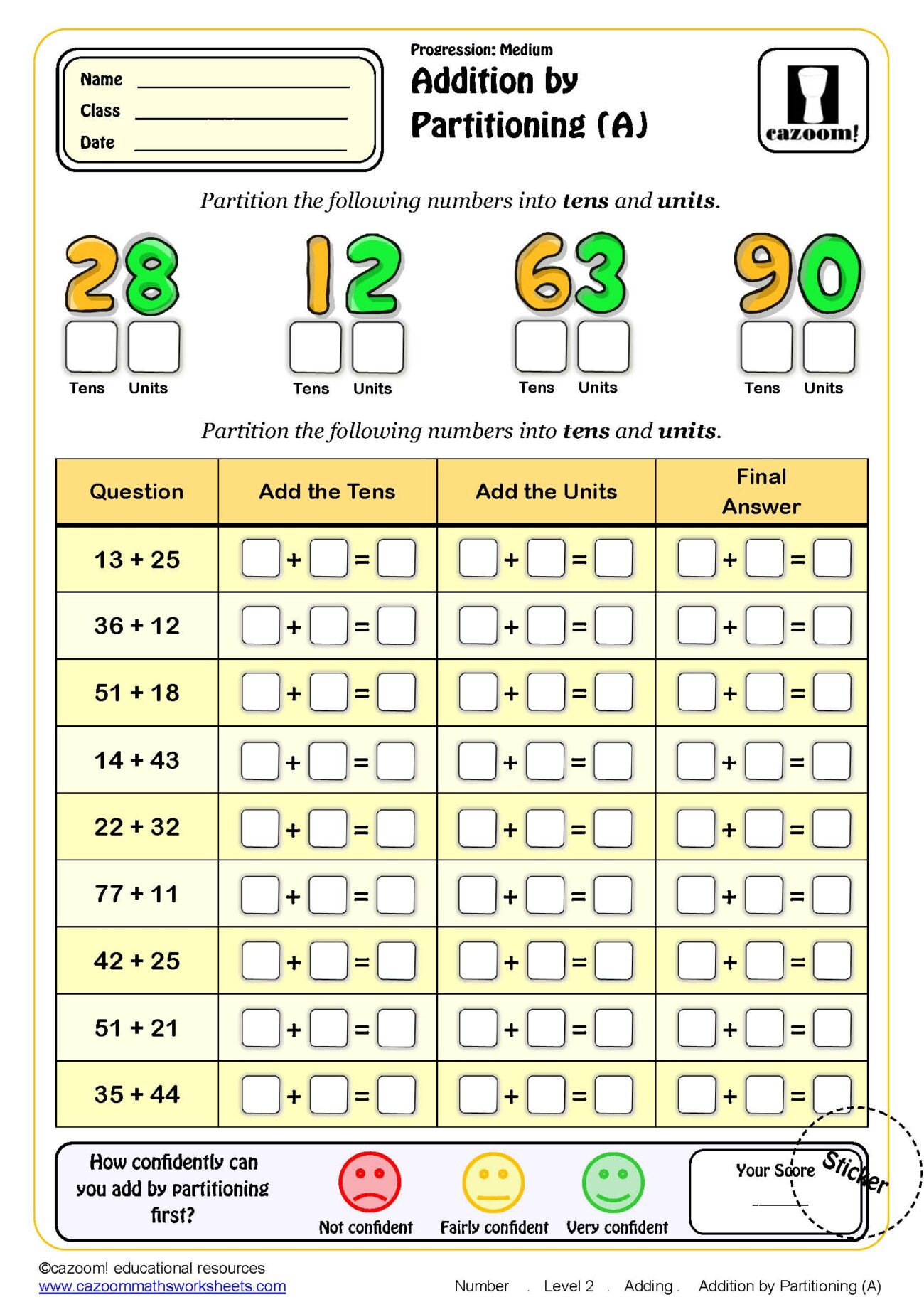
To support young learners in Year 2, engaging and well-structured mathematics worksheets are essential. These worksheets not only provide practice but also help reinforce concepts that children are learning in school. Mathematics worksheets for year 2 are designed to cover various topics, ensuring a comprehensive understanding of essential math skills.
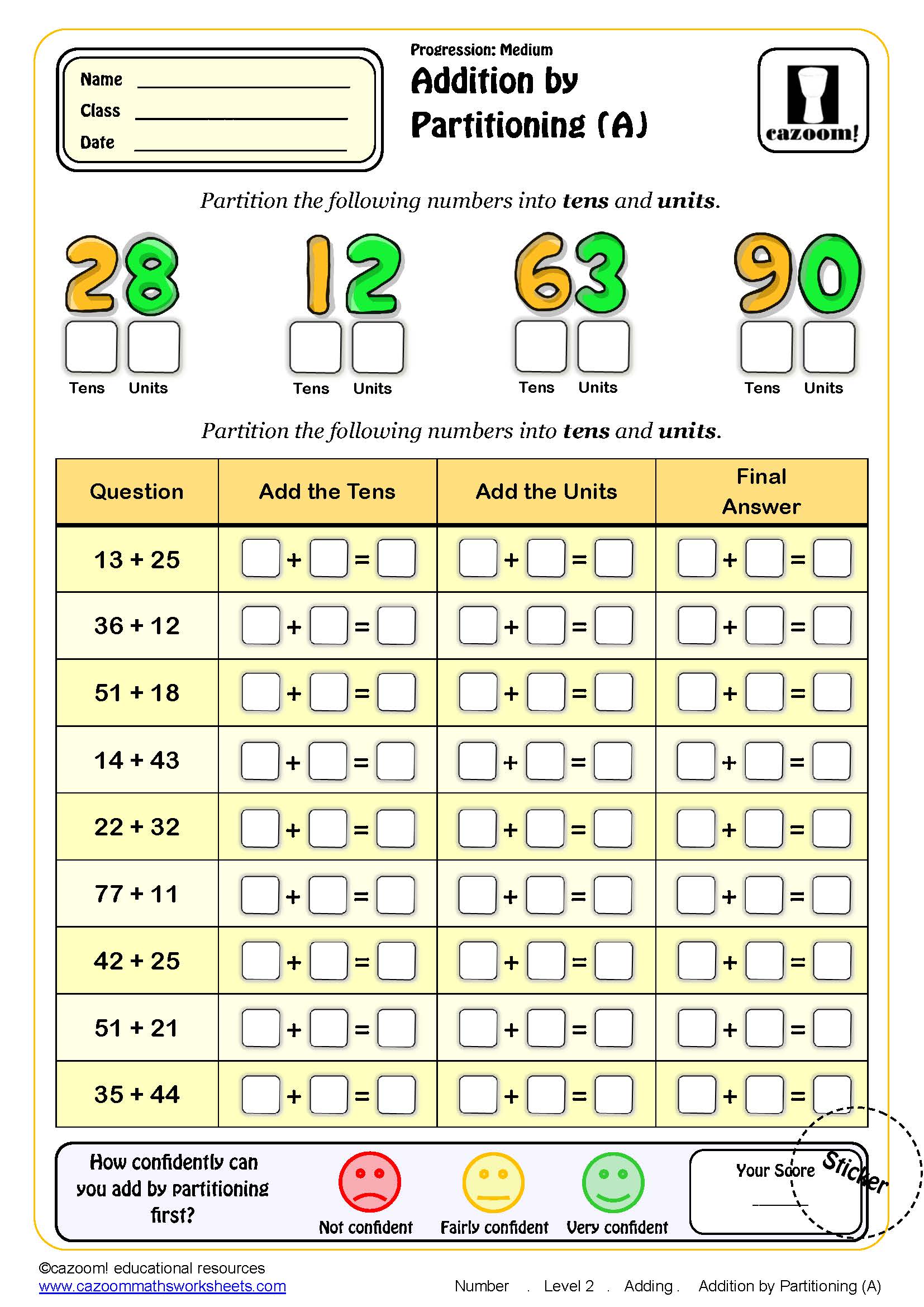
Selecting the Right Worksheets
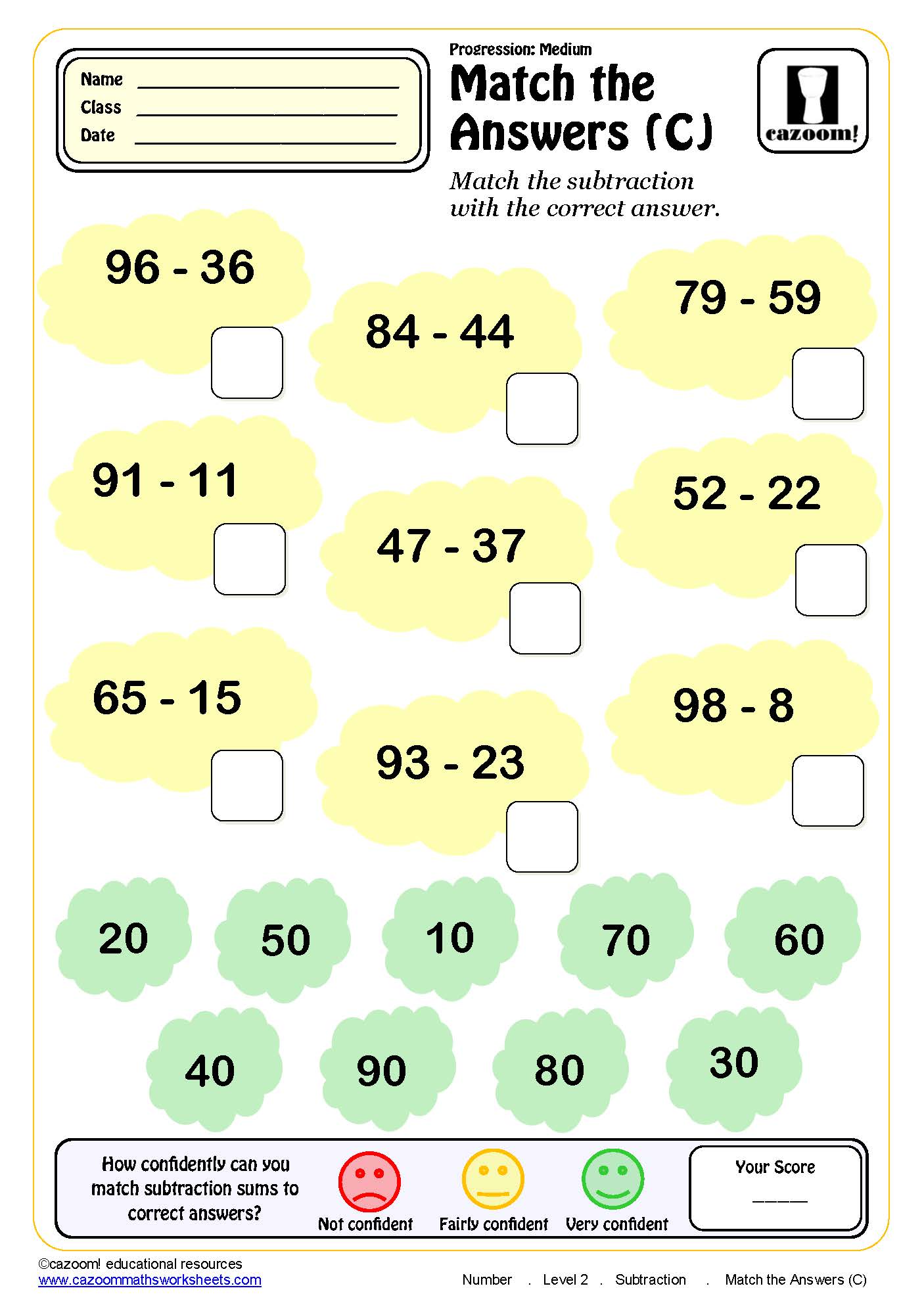
Start by identifying the specific areas in mathematics that you want to focus on. Year 2 typically covers addition, subtraction, simple multiplication, and basic geometry. Look for worksheets that cater to these topics. Here are some tips for selecting the right worksheets:
- Curriculum Alignment: Ensure the worksheets align with your local curriculum. This ensures that the skills being taught match what children are learning in school.
- Variety of Formats: Choose worksheets with different types of activities, such as fill-in-the-blank, multiple choice, and word problems. This variety keeps learning engaging.
- Progressive Difficulty: Opt for worksheets that start with simpler concepts and gradually increase in difficulty. This helps build confidence as children master each level before moving on.
Downloading and Printing Worksheets
Once you have identified suitable worksheets, the next step is downloading and printing them. Here’s how to do it efficiently:
- Find Reliable Sources: Look for reputable websites that offer free or paid mathematics worksheets for year 2. Ensure they provide high-quality PDF files for easy printing.
- Check Compatibility: Ensure that the worksheets are compatible with your printer. PDFs are generally the best format as they maintain formatting across different devices.
- Adjust Settings: Before printing, adjust your printer settings. Portrait layout usually works best for worksheets. If you plan to laminate, consider using cardstock for durability.
- Print a Test Page: If you’re unsure about the print quality, print a test page first. This helps you check the clarity of text and images.
Setting Up for Use
After printing, organize the worksheets for effective use. Here’s how to set them up in a way that fits into your normal afternoon routine:
- Create a Learning Space: Designate a quiet area for your child to work on their math worksheets. A comfortable desk with good lighting can make a significant difference.
- Gather Supplies: Ensure you have all necessary supplies ready, such as pencils, erasers, and a calculator if needed. Having everything on hand reduces distractions.
- Schedule Regular Sessions: Set a consistent time each day or week for your child to complete their worksheets. This routine helps build a habit of regular practice.
Using the Worksheets Effectively
Once everything is set up, it’s time to look at the worksheets. Here are some strategies to make the most of them:
- Start with a Warm-Up: Begin each session with a few simple math problems to get your child’s mind engaged. This could be quick mental math or a game that reinforces basic skills.
- Discuss Instructions: Before starting a new worksheet, read through the instructions together. Make sure your child understands what is being asked before they begin.
- Encourage Independence: Allow your child to work through the problems independently, but be available to help if they get stuck. Encourage them to try and solve problems on their own first.
- Review Together: After completing a worksheet, go through the answers together. Discuss any mistakes and clarify concepts that might still be confusing.
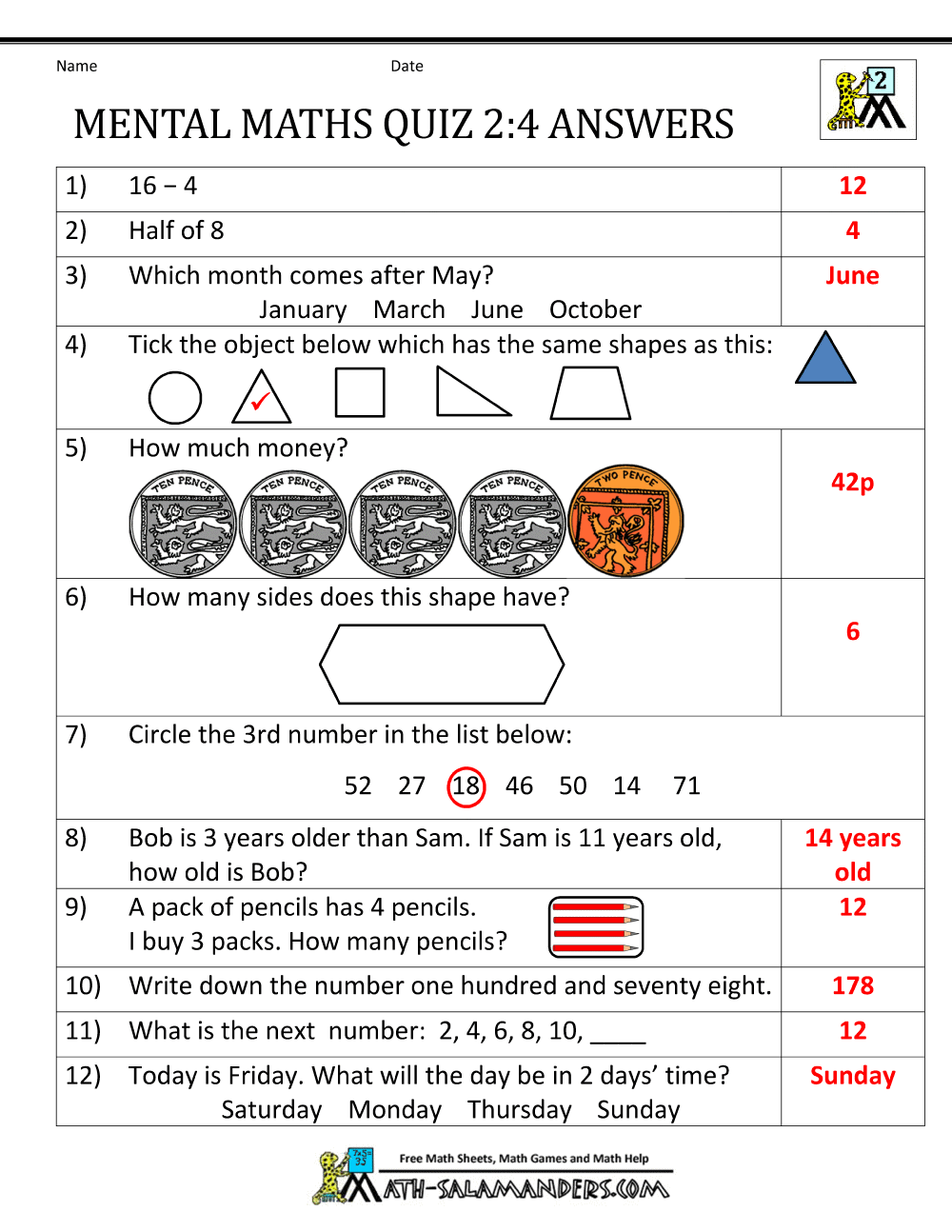
Incorporating Mathematics Worksheets Into Daily Learning
To enhance your child’s overall learning experience, incorporate these worksheets into daily routines. Here are some ideas:
- Real-World Applications: Use examples from everyday life to reinforce math concepts. For instance, while grocery shopping, ask your child to calculate totals or discounts.
- Interactive Games: Turn math practice into games. Use the worksheets as a basis for fun activities, such as scavenger hunts for specific math problems.
- Use Technology: Consider using educational apps that complement the worksheets. Many apps provide interactive math problems that can make learning more engaging.
By integrating mathematics worksheets for year 2 into your child’s daily routine, you create a supportive learning environment that fosters growth and confidence in their math skills.
One last useful tip is to always keep a backup of your downloaded worksheets. This way, if you need to print additional copies later, you won’t have to search for them again.
