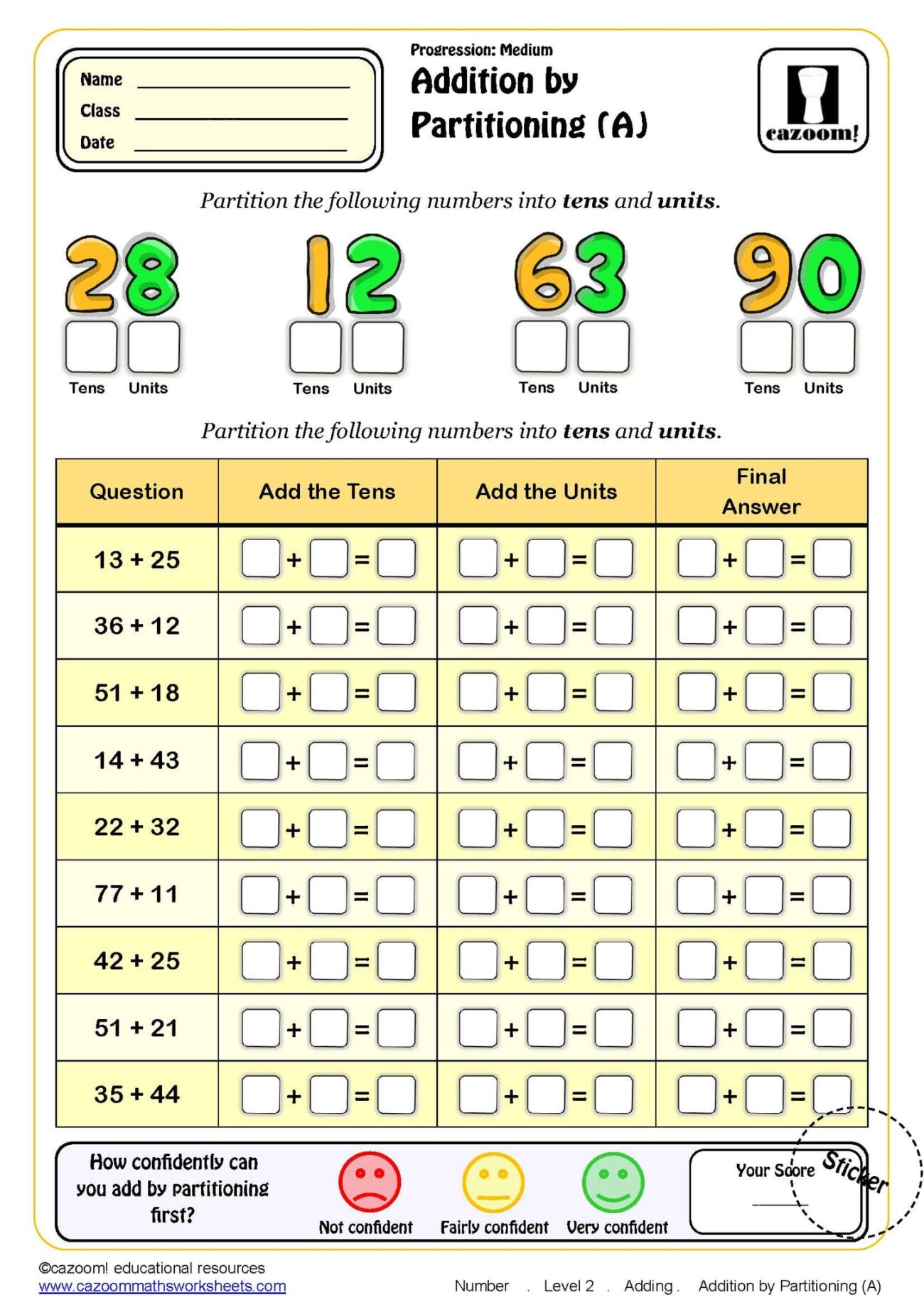
When you’re looking for effective ways to engage Year 2 students in maths, maths activity sheets year 2 are an excellent resource. These worksheets can help reinforce essential skills while making learning fun. In this article, we’ll explore different types of maths activity sheets, how to effectively use them, and tips for integrating them into your lessons.
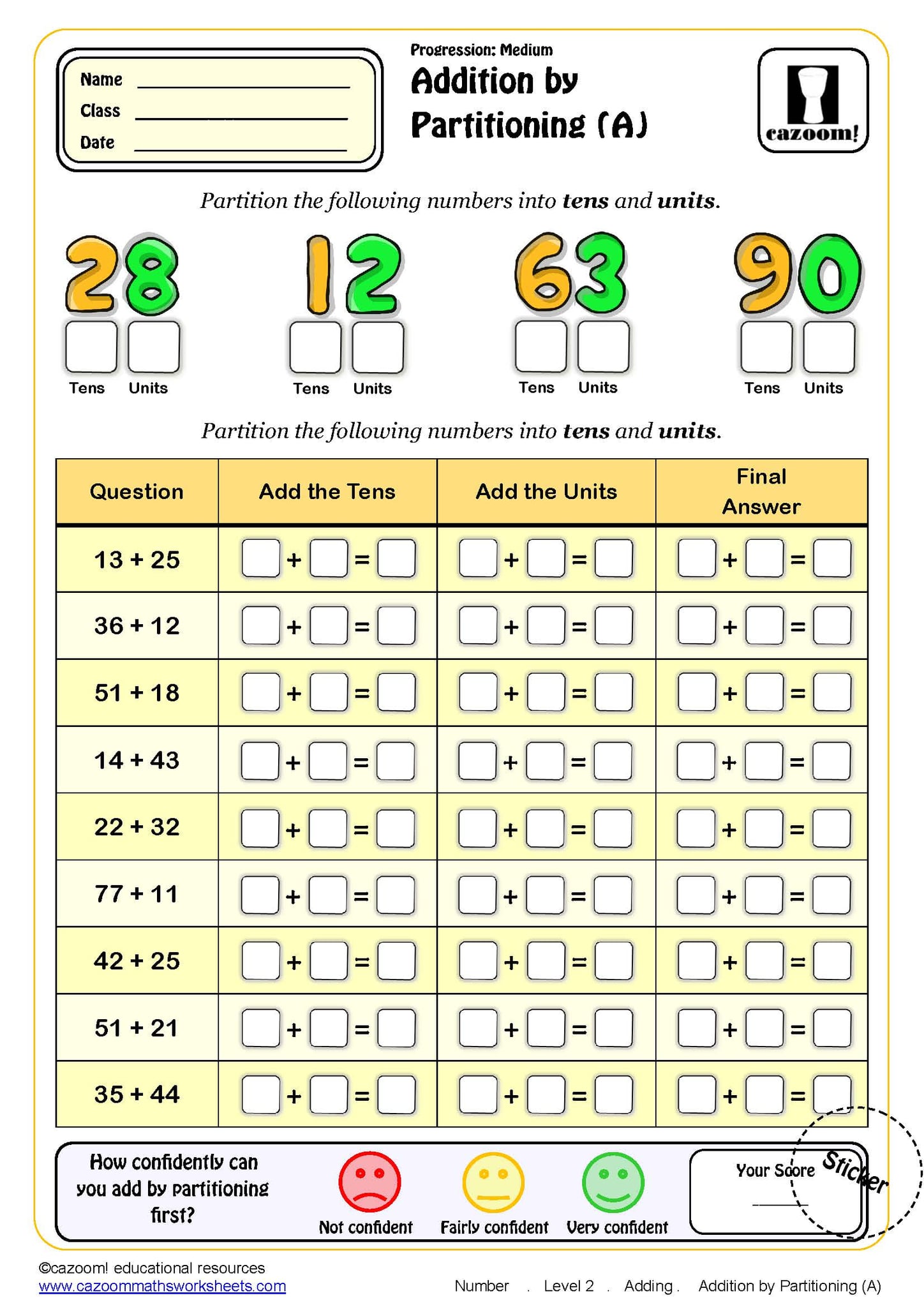
Types of Maths Activity Sheets for Year 2
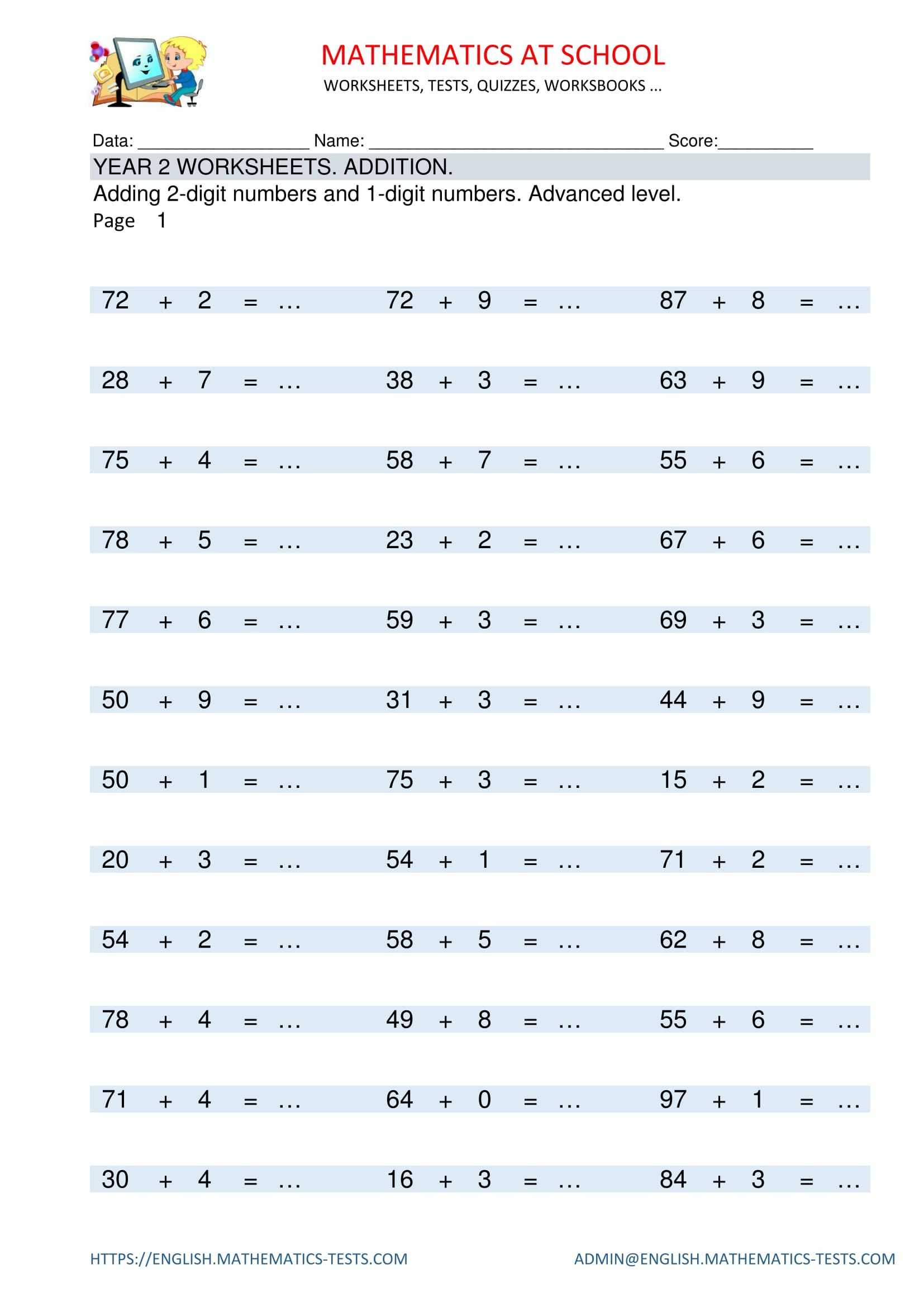
Maths activity sheets come in various formats, each designed to target specific skills. Here are some common types you may encounter:
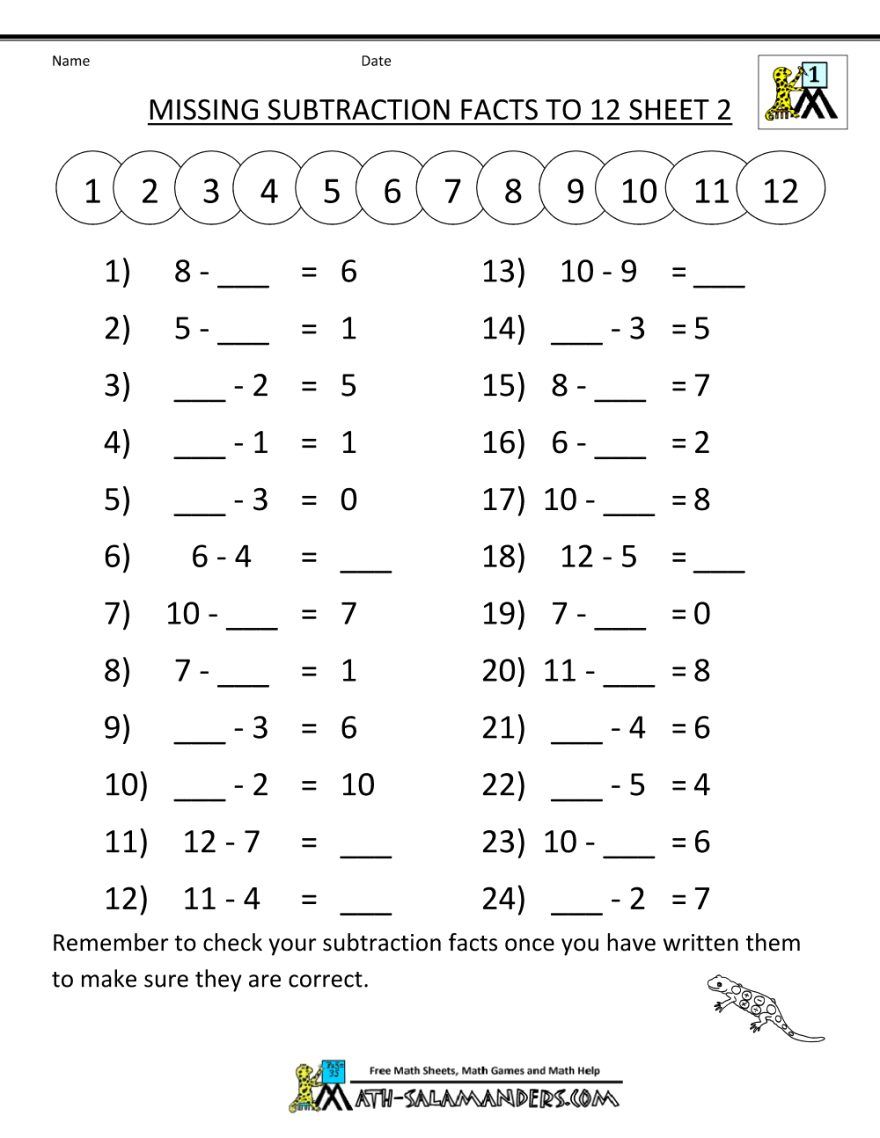
- Addition and Subtraction Sheets: These focus on basic arithmetic skills, helping students practice their addition and subtraction within 20. They often include visual aids like pictures or number lines to assist understanding.
- Multiplication and Division Worksheets: Even in Year 2, some students begin to explore multiplication and division. These sheets can introduce concepts through grouping and sharing activities, making them more relatable.
- Word Problems: These worksheets encourage critical thinking by presenting mathematical scenarios in a story format. They help students learn to extract information and apply their maths skills in real-world situations.
- Measurement Activity Sheets: These can cover topics like length, weight, and volume. Hands-on activities paired with these sheets can make the learning process interactive and enjoyable.
- Geometry Worksheets: These focus on shapes and spatial awareness. Activities may include identifying shapes, sorting them, or even creating patterns.
Each of these types serves a distinct purpose, allowing you to choose the ones that best fit your teaching objectives.
How to Use Maths Activity Sheets in the Classroom
Incorporating maths activity sheets into your lessons can be straightforward and effective. Here are some practical strategies:
- Warm-Up Activities: Start your maths lesson with a quick worksheet to assess students’ prior knowledge. This can help you tailor your lesson to meet their needs.
- Independent Practice: After teaching a new concept, assign activity sheets for students to complete independently. This reinforces what they’ve learned and builds confidence.
- Group Work: Use these sheets for collaborative learning. Pair students to solve problems together, encouraging discussion and peer teaching.
- Homework Assignments: Sending home maths activity sheets can help reinforce skills outside the classroom. Choose sheets that align with what students are currently learning.
- Assessment Tools: Use these worksheets as informal assessments to gauge student understanding. This can help you identify areas where students may need additional support.
By strategically using these resources, you can enhance your students’ learning experience and help them develop a strong foundation in maths.
Tips for Downloading and Printing Maths Activity Sheets
When it comes to accessing maths activity sheets year 2, there are a few things to keep in mind to ensure a smooth experience:
- Choose the Right Format: Many activity sheets are available in PDF format. PDFs are ideal because they maintain formatting regardless of the device you use to print them.
- Check Printer Settings: To avoid issues, ensure your printer settings are configured correctly. Use portrait layout for standard worksheets, and select high-quality print settings for the best results.
- Paper Quality: If you plan to use the worksheets multiple times, consider printing on cardstock. This material is sturdier and holds up better to repeated handling.
- Laminating for Durability: If you want to reuse the sheets, laminating them is a great option. This allows students to write on them with dry-erase markers, making them easy to clean.
- Organizing Sheets: Keep your downloaded activity sheets organized in folders by topic or skill level. This makes it easier to find what you need when planning lessons.
By following these tips, you’ll ensure that your maths activity sheets are not only accessible but also serve their purpose effectively in the classroom.
Engaging Activities to Pair With Maths Activity Sheets
While the worksheets are valuable on their own, pairing them with engaging activities can greatly enhance learning. Here are a few ideas:
- Maths Games: Incorporate games like bingo or board games that reinforce the skills practiced on the worksheets. This adds an element of fun and competition.
- Hands-on Activities: Use manipulatives such as blocks or counters alongside the worksheets. This tactile approach can help students better understand abstract concepts.
- Real-Life Applications: Encourage students to apply maths in real-world scenarios. For example, you can set up a shop in the classroom where students use fake money to practice addition and subtraction.
- Creative Arts Integration: Have students create their own problems based on stories they’ve read or characters they enjoy. This can make maths more relatable and engaging.
- Group Challenges: Set up challenges where groups of students must solve problems together within a time limit. This fosters teamwork and critical thinking.
Integrating these activities into your teaching can make the learning experience more dynamic and enjoyable for your students.
By utilizing maths activity sheets year 2 effectively, you can create a supportive learning environment that encourages students to thrive in their mathematical understanding. Whether you’re teaching in a classroom or homeschooling, these resources will aid in reinforcing key concepts and skills. Remember, making maths engaging and relatable is key to fostering a love for learning in your students. Consider starting with a fun addition and subtraction worksheet today to get the ball rolling!
