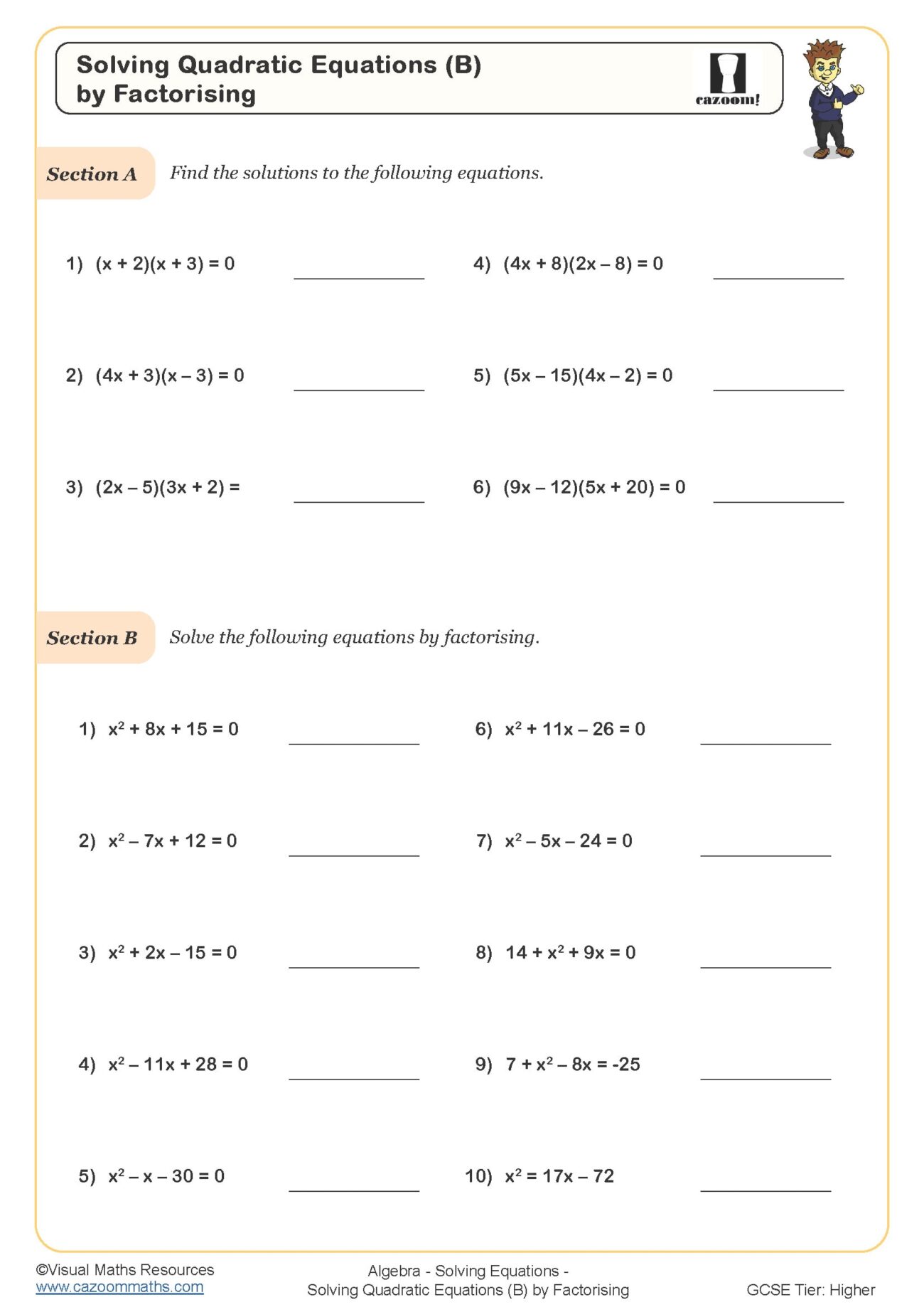
To effectively teach maths to 10-year-olds, using structured worksheets can significantly enhance understanding and retention. Maths for 10 year olds worksheets provide a variety of exercises that cover essential concepts, making them a valuable resource for teachers and parents alike. These worksheets can be easily integrated into lesson plans or used for additional practice at home.
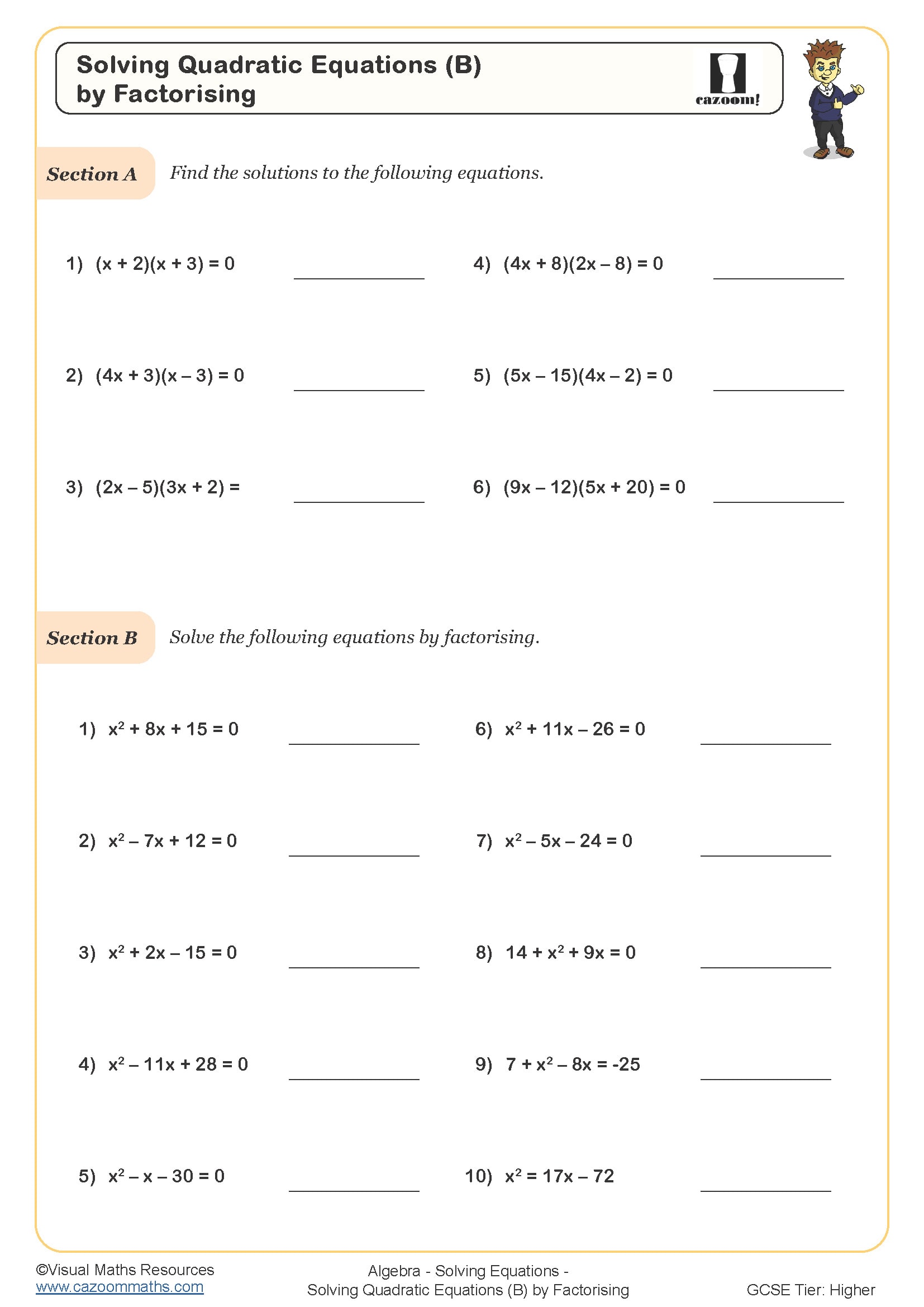
Understanding the Key Concepts
At this age, children are typically in Year 5 in the UK or Grade 4 in the US educational system. They tackle more complex topics such as multiplication, division, fractions, decimals, and basic geometry. A well-designed worksheet can help reinforce these concepts, ensuring that students not only memorize procedures but also understand their applications.
When selecting worksheets, consider those that include a mix of problem types. For example, a worksheet that combines word problems with straightforward calculations encourages critical thinking and helps students apply their maths skills in real-world contexts. Worksheets should include clear instructions and examples to guide learners through each section.
Types of Worksheets for Effective Learning
Different types of maths worksheets can cater to various learning needs and styles. Here are a few effective formats:
1. Practice Worksheets
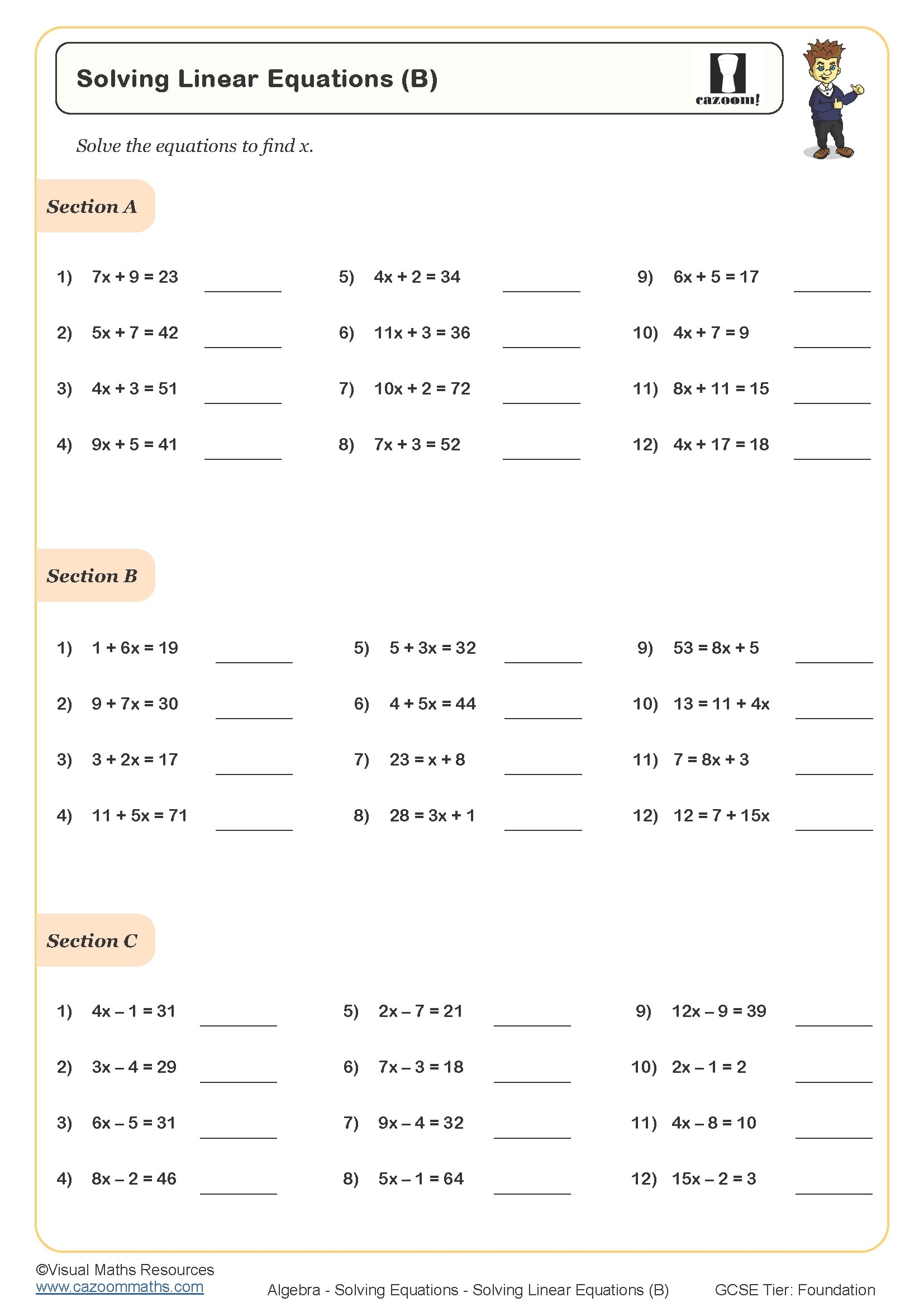
These are designed for repetition of skills. For instance, multiplication worksheets can include problems that require students to solve for products, along with some word problems that contextualize the multiplication process. This type of worksheet is essential for building speed and accuracy in calculations.
2. Problem-Solving Worksheets
These worksheets challenge students to apply their mathematical knowledge to solve real-life problems. An example might be a scenario where students calculate the total cost of items if given a budget, requiring them to use addition, subtraction, and multiplication.
3. Puzzle Worksheets
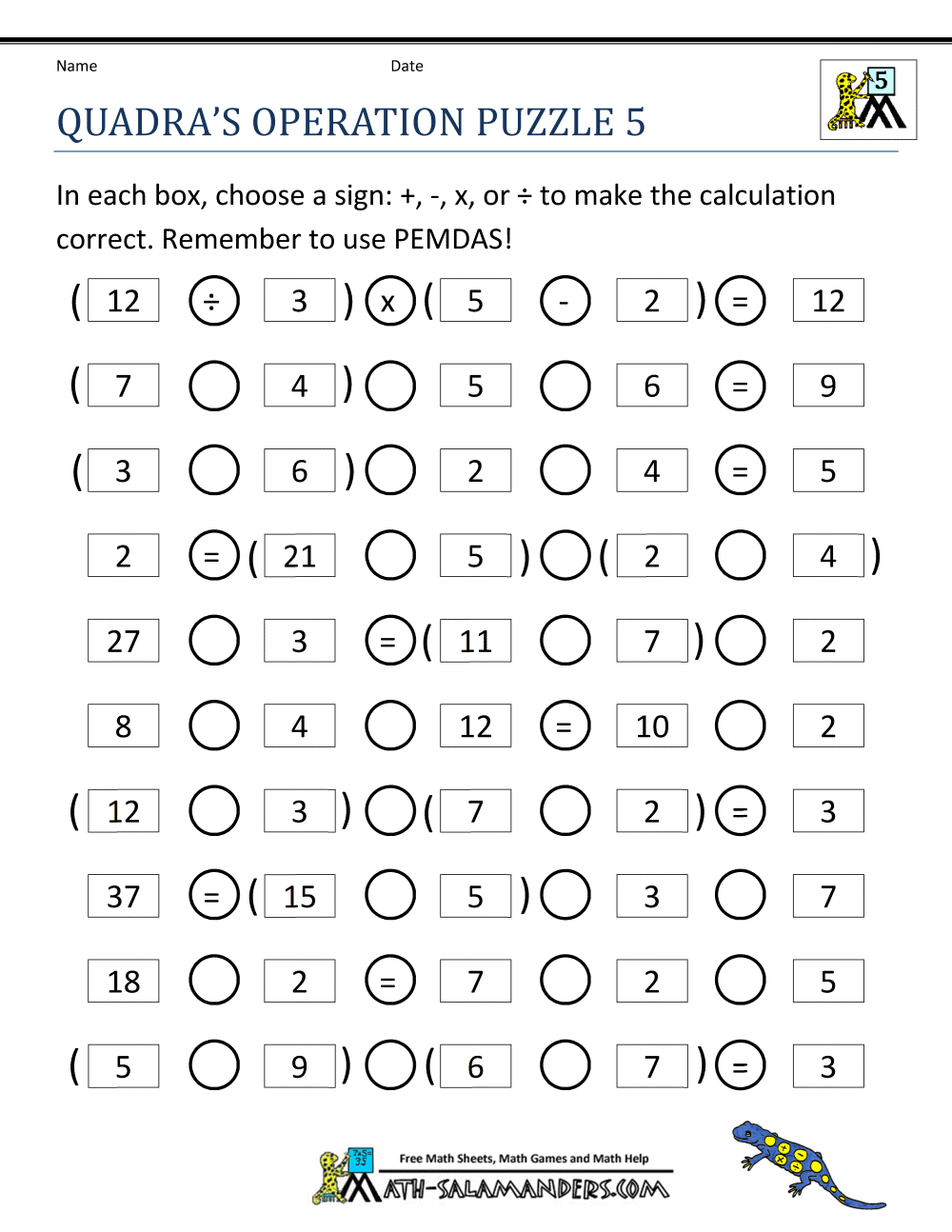
Incorporating elements of fun, such as crosswords or Sudoku-like puzzles, can engage students more effectively. These worksheets can focus on maths terminology or number patterns, making learning enjoyable while reinforcing key concepts.
4. Assessment Worksheets
These are useful for gauging a student’s understanding of the material. They can include a variety of questions from multiple-choice to short answer formats. Assessment worksheets can help you identify areas where students may need additional support or practice.
How to Use These Worksheets Effectively
In a classroom setting, you can integrate these worksheets into daily lessons or assign them as homework. Here are some practical tips:
- Incorporate Varied Exercises: Mix different types of worksheets weekly to keep students engaged and cover multiple skills.
- Set Clear Objectives: Before handing out worksheets, explain the goal of the exercises. This helps students focus on what they need to learn or practice.
- Encourage Collaboration: Allow students to work in pairs or small groups on certain worksheets. Collaborative learning can foster discussion and deeper understanding of concepts.
- Provide Feedback: After students complete their worksheets, review the answers together. Providing immediate feedback helps reinforce learning and clarifies any misunderstandings.
Creating Your Own Worksheets
If you’re looking for customized worksheets that meet specific learning objectives, consider creating your own. Here’s how to go about it:
- Identify Key Skills: Start by determining which maths skills your students need to practice. Use your curriculum as a guide.
- Choose the Format: Decide whether you want to create practice sheets, assessments, or engaging puzzles.
- Draft Clear Instructions: Ensure that each worksheet has clear, concise instructions. Include examples if necessary.
- Use Diverse Problems: Incorporate a mix of problem types to cater to different learning styles and keep students interested.
- Test Readability: Print a draft and review it for clarity and layout. Ensure that the font is legible and that there’s enough space for students to write their answers.
Where to Find Printable Resources
There are numerous online platforms offering free and paid maths for 10 year olds worksheets. Here are some popular sources to explore:
- Educational Websites: Websites like Education.com and Teachers Pay Teachers offer a variety of worksheets tailored to different grade levels and subjects.
- Printable Resource Sites: Many sites focus solely on printable resources for teachers and parents, providing a range of worksheets that can be downloaded and printed quickly.
- Social Media Groups: Joining teacher groups on platforms like Facebook can lead to discovering shared resources from fellow educators.
When downloading worksheets, always check for quality and alignment with your educational goals. Look for worksheets that encourage critical thinking and problem-solving skills, as these are essential for students at this level.
Tips for Maximizing the Use of Worksheets
To get the most out of your maths worksheets, consider these practical tips:
- Organize by Topic: Keep worksheets organized by topic or skill level to make it easier to find relevant resources when planning lessons.
- Use Color-Coding: If you have multiple worksheets for different skills, color-code them to help students easily identify which skills they are working on.
- Incorporate Technology: If your classroom is equipped with tablets or computers, consider using digital versions of worksheets that can be filled out online. This can provide instant feedback and allow for easier tracking of progress.
By utilizing maths for 10 year olds worksheets effectively, you can create a dynamic learning environment that not only reinforces essential maths skills but also fosters a love for learning. Whether used in the classroom or at home, these worksheets are a practical tool for supporting your child’s education. Consider the types that best fit your teaching style and your students’ needs, and watch their mathematical abilities flourish.
